English translation · Reader alias: BaifanRead the Chinese original ↗
Echo correspondenceNO. 03
To / For Airing
From Baifan
Letting interest guide what you learn
Reader alias · Baifan
NO. 03Letter
Baifan to Airing
To Airing,
Hello, Airing. During a quiet moment at work, I was browsing a weekly newsletter site and happened upon your essay “On the Value of Existence and the Experience of Life.” It moved me to follow your work, and I have since read most of your articles. As a reader, I am deeply grateful for so much high-quality writing and content. Respect! Through RSS I also saw that you offered consultations, so I am writing to share some frustrations and ask about a few things that leave me confused, both at work and in life.
[Education, route into employment, work location and employer details removed.] I currently feel lost about both my career and my direction in life.
My company does not define employees’ roles clearly, and as someone new to work I have not figured out my own career plans either. I have been assigned frontend, backend, implementation, operations and data development work. I no longer feel the enthusiasm I had when teaching myself to code. I remember carrying a heavy laptop to and from work every day and continuing to study after hours. Now I come home, turn on my desktop, watch livestreams and sometimes play games with friends. I have tried to study technology more deeply, but the dull work, the company’s financial situation and the lack of like-minded colleagues make it difficult to keep going. Sometimes gaming feels like a way to numb myself, and my days seem to drift past. I would like to know how you keep improving your technical skills.
As for postgraduate study, part of me wants a higher qualification, but three years feels like an enormous investment of time. The outlook for computing also seems uncertain, which leaves me unsure what to study. Sometimes I wonder whether I really want a master’s degree, or whether seeing friends continue their studies and people around me with higher qualifications makes me feel inferior because I lack a standout skill. Perhaps, as Adler might put it, I simply do not want to do it, and time and career prospects are only the reasons I give myself.
In my personal life, I really want to return to [preferred city], because my friends are there. But the job market makes me afraid of finding no work or earning less than I do in [current city]. My relatives are also in [current city]. Materially, my life here is not bad. But emotionally? I do not much like staying at home. I sometimes go for a city walk alone, yet still feel lonely. If I returned to [preferred city], I would be closer to home and have more friends nearby. I might be much happier emotionally, and perhaps start a family sooner than in [current city].
My friends often say I should weigh the pros and cons: would returning or staying offer more? But one side is career planning and the other is life planning; either one leaves me exhausted. Writing this, I remember what you said in that essay about anchoring a sense of meaning. Perhaps when I first started work, the idea of coding and working with technology for life was the anchor that made it so enjoyable. I wonder what you think, and what advice you might have.
Those are some of my questions and feelings about my career, life and relationships. This is my first time writing for advice, so please forgive anything I have not explained clearly. Wishing you good health and happiness.
NO. 03Reply
Airing to Baifan
Baifan,
Hello, and thank you for your letter and your support for my writing. Here are some thoughts that I hope may answer, or shed light on, the questions you raised.
I recently read an article with an idea I found useful, at least for those of us who are still growing: “We need to recognize the value of time. Time is an investment, not a consumption.”
This means recognizing time as our most valuable capital, investing it in creating things and spending as much of it as possible on activities that accumulate value and bring returns, rather than consuming entertainment. We should be alert to how we spend our time, and avoid having it swallowed by meaningless phone use. In my view, perhaps a rather rigid one, haha, playing time-consuming games such as MOBAs or watching gaming livestreams wastes time from our lives. Most of the time they create no value for us; a couple of days after playing or watching, we may have forgotten it all.
The article included a screenshot that I saved at the time. It puts this well:
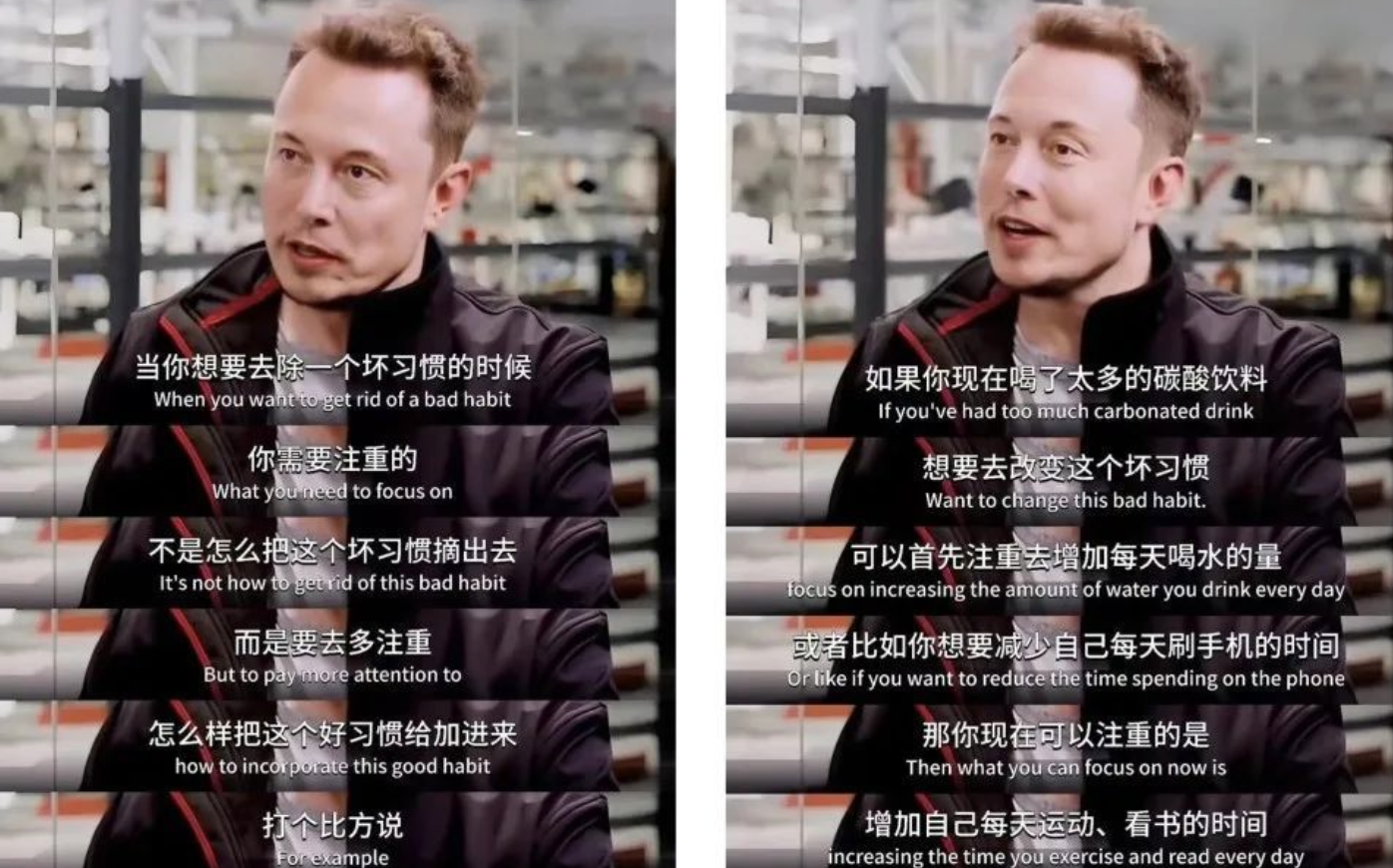
It is easy to become lazy. Once we let things slide, habits we worked to develop can suddenly disappear. I hope you can build some self-discipline. Your habit of studying when you first started work was a good one. Perhaps you stopped because you could not see a short-term return. I hope you can rediscover your enthusiasm, for learning and for life. Please never give up hope in yourself.
At university, I mostly learned technology out of interest: I learned what I needed for something I wanted to make, or simply what I wanted to learn. After starting work, I focused more on technologies relevant to my projects, or on learning that could improve what I delivered at work. If your company’s projects do not interest you, you could also start a side project and spend some free time doing something you enjoy.
On postgraduate study and qualifications, your considerations are quite objective. Remember that a master’s degree is one way to improve your qualifications and knowledge, but not the only one. If you are truly interested, try some preparation and see whether you can balance work and study. I neither urge people to pursue postgraduate study nor discourage them from it. Understand the choice objectively and make a decision you will not regret.
Finally, on the question of cities, the key is finding a way of life that suits you. If returning to [preferred city] would bring greater happiness and satisfaction, give it serious thought. Personally, I value emotional fulfillment over material comforts. With family nearby and a few good friends, life is enough.
Every choice is a process of exploration. What matters is continuing to learn and grow as you explore, and finding meaning and value of your own. I hope these words help, and that you find direction and happiness in your work and life.
Thank you again for writing. Wishing you all the best!