Since starting my graduate school entrance exam prep last September, I’ve rarely updated this blog — I got used to keeping my thoughts to myself. But standing at the edge of graduation, there are things I need to say out loud, as an offering to the four years now slipping behind me.
Looking back across those four years, every moment feels startlingly vivid, as if it all happened yesterday. I remember the first day of school, when we met as strangers in the dorm — sizing each other up, uncertain. And yet here we are, four years later, each of us fully known to the others without a word needed. Of everything I’m reluctant to leave behind, it’s you I’ll miss most.
Coming to Guangzhou University was, in a way, the result of a fluke — the only time I ever failed in school was on the math section of my gaokao (college entrance exam). That single failure became a kind of strange gift: it brought me here, brought me to you, and gave me the space to grow. Unlike many who resent such a detour, I harbored no bitterness. I quietly resolved that my college years would be meaningful, would leave no regrets, would take me to the top of what this place could offer. Looking back from four years on, I think I did most of that.
Throughout those four years, I was always searching for the life that fit me best. In the beginning, like most freshmen, I threw off the weight of high school and plunged into total freedom — and into games. My days were class and then gaming. And yet, even living that way, I could still win first-class scholarships, so I thought: maybe that’s the shape of college for me? Study just enough, play plenty. I didn’t realize I was only skimming the surface of learning — passive, mechanical, driven by nothing but the desire to pass.
Then, without warning, everything changed.
Partway through my freshman year, I was struck by a spontaneous pneumothorax and rushed into surgery. I felt what I can only describe as a death-like pain radiating from my chest. I experienced the disorientation of near-fainting from blood loss, and I touched the edge of something terrifying. Recovering in the cardiac ICU, I couldn’t move. For days I stared at the ceiling — silent, weightless — asking myself how I wanted to spend the rest of my life. Perhaps I should leave something behind in this world. Perhaps I should do everything within my power to matter. Wouldn’t that be the only kind of life worth living?
When I recovered and returned, I began searching for what I actually loved. A class in VB programming caught my interest, and my professor noticed I had a talent for it and invited me to join his projects. That’s how I gradually turned toward technology. I minored in Software Engineering, joined the university’s experimental lab, and took on an innovative robotics project. I won’t pretend it didn’t shape me — hours barricaded in the lab, pushing through hardware and software challenges, learning things I couldn’t have learned in class. Eventually I was hired by the Computer Science school to teach Software Engineering to minor-program students, and I met a whole generation of students who called me their teacher.
At the same time, I’ve always resisted constraint. I hate being boxed in — by institutions, by rigid syllabi, by the pressure to specialize. So I never mastered any single technology; instead I wandered through hardware and software, design and development, front-end and back-end, never staying anywhere long enough to go deep. I was simply following my own curiosity. When a teammate once invited me to join an elite program in the engineering building that effectively required signing away all your free time in exchange for resources, I walked out without hesitation.
Whatever direction you choose in college — whether you build software or start something, make music or make art — as long as you commit to it with clear purpose, you will grow. Any path, pursued with conviction, is a path to something worth arriving at. I believe this completely.
As I went deeper into technology, other shifts were quietly happening. At a competition in May of my third year, I clashed with teammates over the direction of our project. I thought we should build something we actually wanted — not chase a trophy. Others thought trophies were the point. Sitting in a startup salon listening to people talk about entrepreneurship while doing very little of it, I felt exhausted. What was I doing this for? To amuse myself? To change the world? In this environment, it felt like I couldn’t do either. Was everything I’d been reaching toward just an illusion?
That’s when I decided to pursue philosophy. Not for any practical reason, but because I wanted a certain kind of clarity — the kind that looks at the whole cosmos and finds peace in it.
For a while I felt profoundly lonely. A relationship had ended and I felt there was nothing left to pursue. I had been walking this road alone all along, I realized. What is warmth? What is happiness? I hoped philosophy might give me some answers. Or at least some comfort.
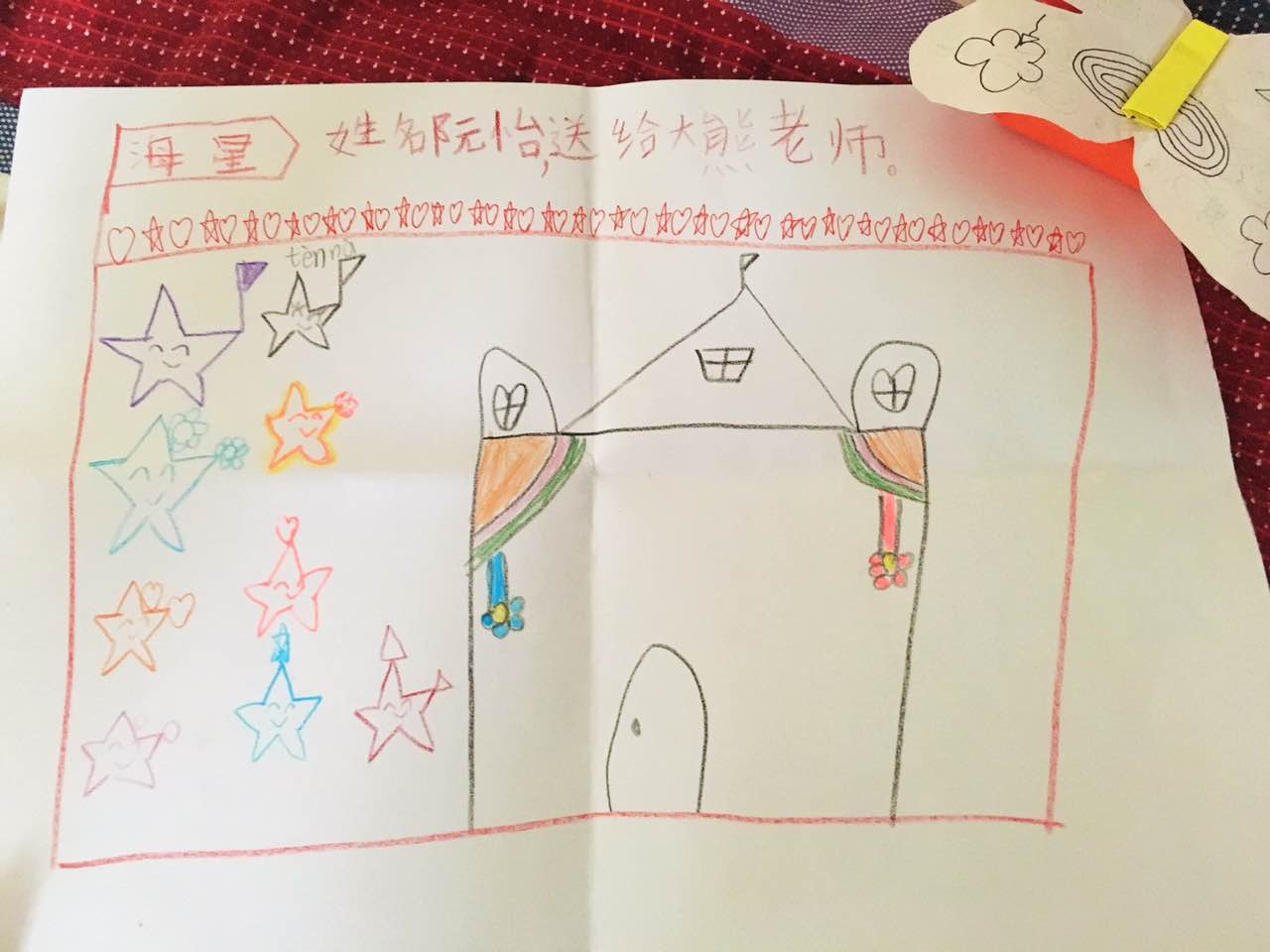
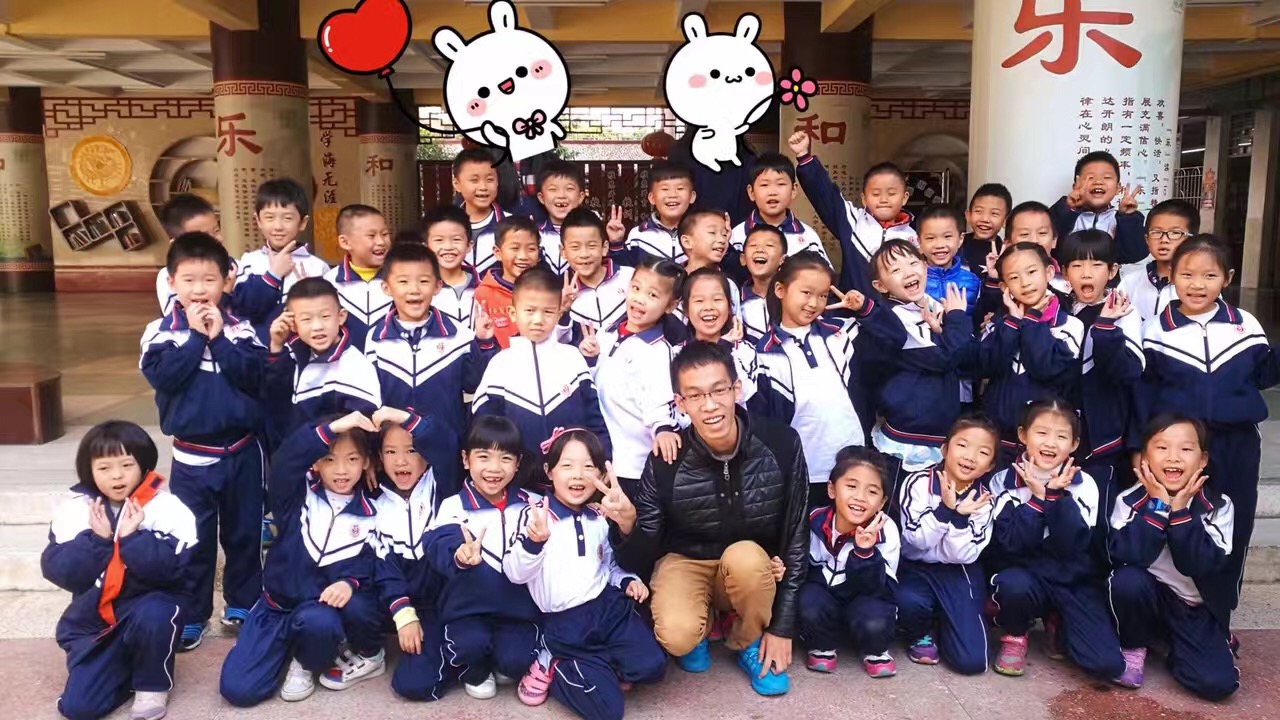
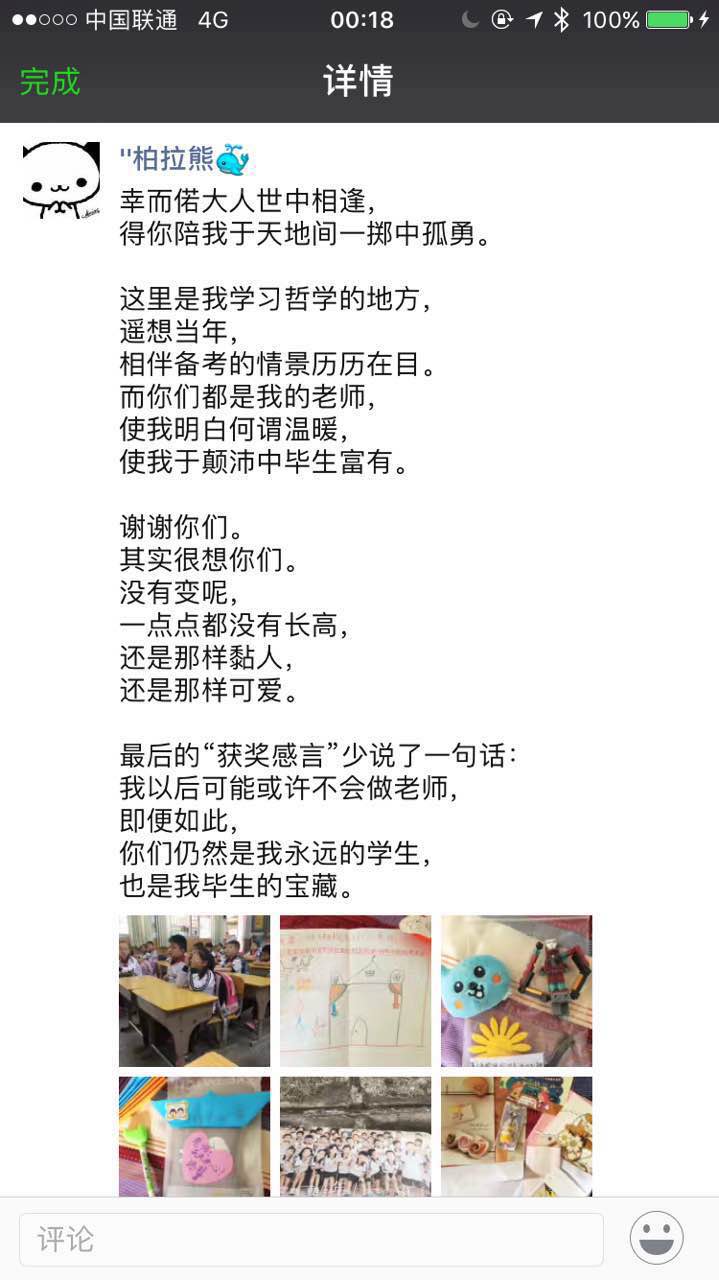
My final-year teaching practicum turned into the most unexpectedly transformative season of my life. Every day I walked the hallways of a primary school, reading Eastern and Western philosophy between classes. I’m not sure whether it was the philosophy or the children themselves, but I felt a warmth I had never felt before — perhaps the most warmth I have ever felt in my life. Even in the middle of that, alone in many ways, I sensed that the world was full of light and vitality. No matter how hard the teaching practice, no matter how exhausting the exam prep, I carried that with me every day. Those children’s clear, bright eyes made me feel, even in hardship, as though I lacked nothing. As the translator Fu Lei wrote: “Essential goodness, a generous spirit, an innate tenderness” — these are what make us feel truly warm and happy inside.
The ideal of warmth is beautiful, but you can’t hold onto it forever. Saying goodbye to those children meant stepping onto the battlefield of entrance exams — and I stumbled. I didn’t do well enough on the written test, and then, worn down from overwork, I spent a month in the hospital — even celebrating Lunar New Year from a hospital bed. My prospects felt murky. The exam failed, no desire to work, no fixed home. The nights were lonely. But every day brought someone new to visit. Maybe there was nothing to fight for after all. Maybe not making it wasn’t such a catastrophe. You could always try again next year.
In the end, what I learned is this: if we go through life with openness and inner clarity — taking things as they come without struggling against the world — we can live each moment more fully, walk through time with dignified ease, reduce the conflicts that deplete us, and arrive at a life that is harmonious, in accordance with who we truly are.
At this moment, all of it — every honor I’ve received, every failure I’ve faced — rests lightly. What I’ve gained is simply what I’ve also let go.
After leaving the hospital, I settled into a slower rhythm: sunlight, walks, reading — and not much else besides eating and sleeping.
Then something unexpected: I somehow passed Sun Yat-sen University philosophy department’s make-up exams. Getting into Sun Yat-sen University (one of China’s top universities, located in Guangzhou) was a goal, but not my final destination, so even passing didn’t bring the excitement you might expect. Where the road leads from here — whether to something better or something more ordinary — I don’t know. I’ll just keep going, true to myself.
From science in high school to Educational Technology in college (a field closer to the humanities), then a minor in Software Engineering, then graduate school in philosophy — everyone assumed I was a CS major, yet here I am starting over again in a completely new field. Life is genuinely strange. What I’ll study next, what I’ll do next — I have no idea. I’m still searching for the version of life that fits me best.
The day after I received my acceptance letter, I rushed back to the primary school to see the children one more time. I knew then what I know now: there are a thousand ways this world can break your heart, but never there.
That was my four years. I studied education, worked in technology, briefly became something of an internet personality, taught classes, read philosophy, spent time in a primary school, lived through serious illness, and met more interesting people than I can count.
Thank you, Guangzhou University, for everything you gave me. As I leave, please let me say — with full sincerity — thank you, to all the wonderful people I met here.
