The Mysticism Lever and the Isekai Groups
This weekend I listened to a podcast episode about online divination among young people: EP03 The “Spectacle” of Online Divination: Gen Z Giving Life Advice to Boomers – Jump Down the Rabbit Hole.
Online divination has become a career path for young people, and most practitioners trace their origin story to simple curiosity. Low barrier to entry, zero startup cost, decent returns. Most diviners are self-taught — a couple of days on Bilibili or a few books is usually enough. On Xiaohongshu, the typical tarot reader is a post-2000s kid who’s been studying for a few months. Turning tarot from zero to a side hustle — or even a full-time gig — isn’t especially difficult, and the market seems promising. Today’s young people tend toward social anxiety, so working from home without face-to-face contact fits the current climate pretty well.
But dig deeper into the podcast and you find that the clients actually span ages 25 to 55. Younger clients almost always want to talk about love; clients in their 40s tend to focus on family and children. What unifies these groups, though, is that many of them simply want someone to talk to — an emotional outlet. The diviner, in this sense, functions more like a hollow tree: a safe place to whisper your secrets.
Because these people have no way to vent their feelings. Sometimes they can’t tell their parents, can’t tell their friends, and don’t have the resources or money to seek real, long-term professional psychological help. In those moments, the diviner can play a small healing role. — The “Spectacle” of Online Divination
After listening, I remembered a report I’d seen earlier — the 2022 Big Social Trends Observation Report by Maozeconsulting, which identifies a trend it calls the “Mysticism Lever”:
The bewildered turn their emotional projections onto the stars and the flow of wind and water, adopting a “believing without being obsessed” attitude and weaving mysticism into a key link in their everyday decision-making chains. — 2022 Big Social Trends Observation Report
The Mysticism Lever has three defining characteristics:
- Using mysticism as a small seasoning in daily life
- Believing without being obsessed
- Using mysticism as a tool for self-knowledge
Contemporary mysticism is more like a tool of positive psychology — given an unfalsifiable pivot point, young people seem able to pry loose the boulders of life that block them and press down on their fate. At the same time, they position themselves as “the measure of all things,” refusing to surrender their own agency: a bad reading simply means the reading was wrong; a temple that doesn’t respond is simply not efficacious. Precisely because they feel confused and lost, young people seek the support of mysticism — but if things don’t work out, they feel even more helpless and won’t sink into it. — 2022 Big Social Trends Observation Report
Moreover, the young people who embrace mysticism aren’t simply looking for answers. As the podcast analyzes, they often want something to talk to — and they use the vocabulary of mysticism as a way to reflect on themselves. Through the dialogue with mystical frameworks, they trace and examine “why am I this way,” and find their own coordinates.
Online divination can be understood as a tool of positive psychology in the face of alienated labor pressure. A similar phenomenon from last year is the Douban Isekai Groups:
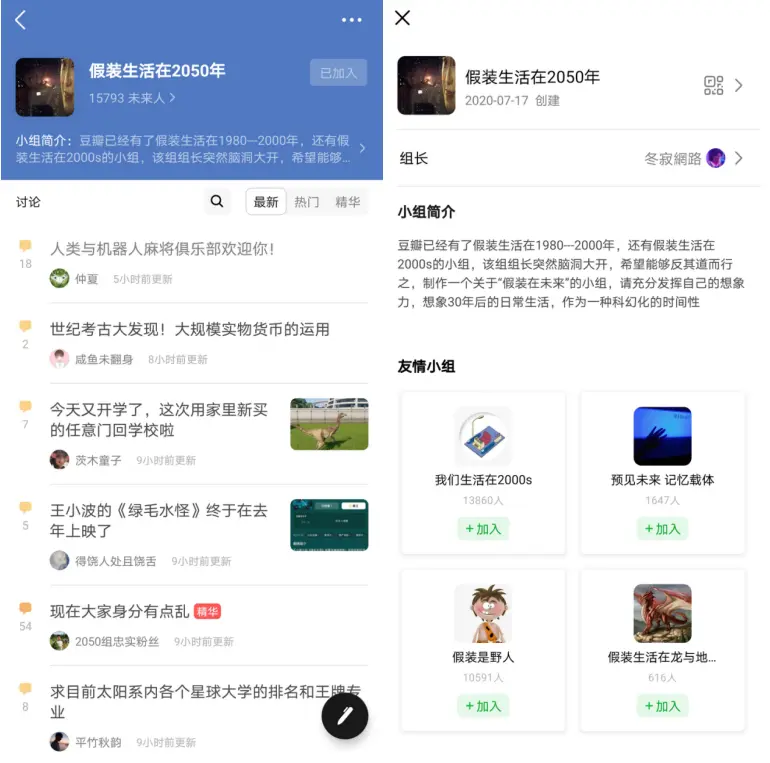
These groups not only organize forums around shared topics and interests, but actually build parallel “other worlds” alongside reality. It’s remarkable.
The article Douban Isekai Groups: Human Imagination of Time Travel, Embedded in Spectacular Media offers an analysis:
- From monologue to carnival: how social media shapes the form
- From imagination to action: the seduction of embodied participation
- From escape to return: reflecting on the conditions of existence
The first point is about the collective carnival of social media.
The second is about “embodiment” — participants feel as though they’ve joined a video game, controlling a “body” in the other world through posting, replying, and rule-making. The imagined rearrangement of time and space becomes something tangible and participatory. That’s what makes isekai worlds so irresistible.
The third echoes the Mysticism Lever: it’s an escape from ordinary life, and the very act of escaping implies a reflection on reality.
On one hand, the atomization of life brought about by urbanization has increased modern people’s sense of loneliness and estrangement. On the other hand, a wave of new social issues has flooded the public sphere, making various social problems more visible. — Douban Isekai Groups
From a Marxist lens: in the process of labor, people produce things that stand opposed to and constrain them — this is alienated labor. When the mounting pressure of alienated labor engulfs young people, the uncertainty of objective reality and the subjective feeling of helplessness lead some of them to treat contemporary mysticism as a positive-psychology tool that provides emotional value.
The isekai groups and online divination are exactly this kind of tool.
On social platforms, young people bring their alienated struggles to mysticism communities: they exchange confessions, empathize with one another, offer comfort, and share a collective hope. In some sense, “doing mysticism” is like any other leisure activity — it’s one of the main ways young people process negative emotions. — 2022 Big Social Trends Observation Report
That said, these social media phenomena — isekai groups, online divination, and all the rest — are ultimately sparks struck when human practice meets the many technical possibilities of social media. And these sparks are simultaneously shaping our daily lives and opening new imaginative spaces.
This brings to mind Neil Postman’s “medium as metaphor” from Amusing Ourselves to Death: the medium we choose reshapes us in return. The medium we choose determines where we end up.
We don’t know how to understand ourselves — so we build mystical mirrors and isekai landscapes, and we interact with ourselves by projection. We fill in our self-knowledge this way, giving individual life more texture and meaning.
Cherish the everyday. Looking inward and looking backward is also a way of seeing outward and moving forward more clearly. Whatever the case, reading more and thinking more is always the right path.
Weekly Pick
Technical Read: How Blink Works
This week I’ve been reading Blink’s source code. I found a great article: How Blink Works. It’s an official Chromium team document that covers the design and implementation details of Blink, the rendering engine at the heart of Chrome. If you want to understand Chrome’s internals, this is an excellent starting point.
This Week’s Log
Recent Viewings
- Finished: Sci-fi | The Time Traveler’s Wife | ★★★★☆
- Watched: Film | Perfect Blue | ★★★★★
- Watched: Film | Before Sunset | ★★★★☆
- Watched: Film | Paprika | ★★★★★
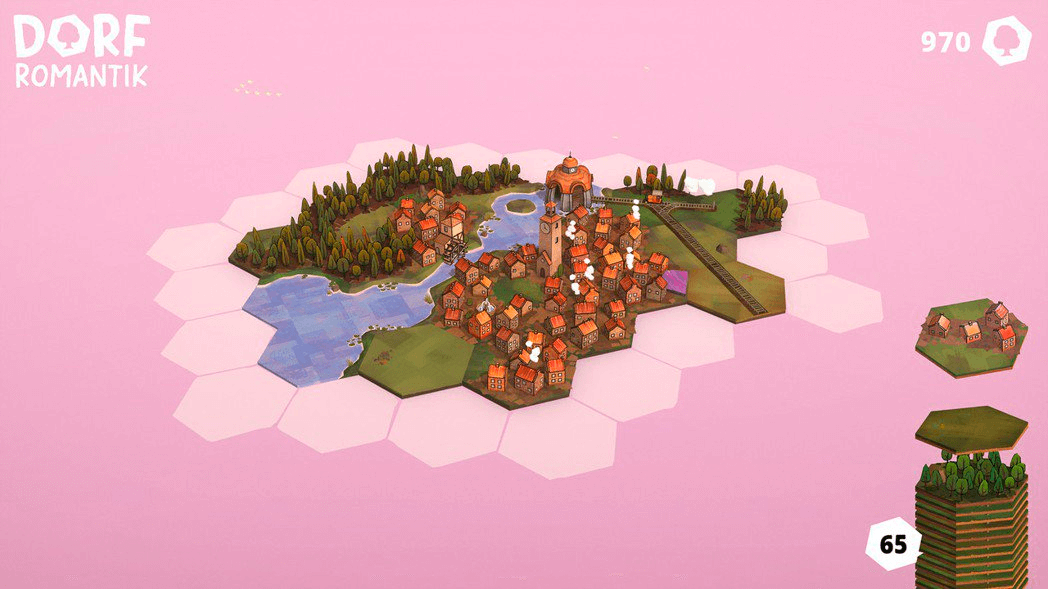
- Played: Cozy | Dorfromantik | ★★★★☆
I have such a soft spot for games with Dorfromantik’s gentle, healing visual style~
Recent Code
TypeScript        21 hrs 1 min   █████████▋░░░░░░░░░░░  45.9%
TypeScript React  19 hrs 56 mins █████████▏░░░░░░░░░░░  43.6%
C++               1 hr 21 mins   ▋░░░░░░░░░░░░░░░░░░░░   3.0%
JSON              1 hr 8 mins    ▌░░░░░░░░░░░░░░░░░░░░   2.5%
JavaScript        56 mins        ▍░░░░░░░░░░░░░░░░░░░░   2.0%