Reclaiming Lost Curiosity
I read two articles about curiosity this week — If Time Has Trimmed Our Curiosity as We Grow Up, Should We Blame Time? and Rediscovering Curiosity: A Self-Help Guide to Learning Motivation. This issue, I want to build on those two pieces and share my own thoughts on curiosity.
First, a quick summary of the core ideas from each article.
On where curiosity comes from: curiosity is described as “the emotional drive that compels us to seek out knowledge.” When triggered, it stimulates the caudate nucleus, which releases dopamine — the same chemical that makes us feel pleasure.
Curiosity is the primal force that leads us toward knowledge and pattern recognition. Sadly, as we age, curiosity tends to shrink. The desire to read fades. Curiosity is like a sprite — hard to pin down, slipping away from us somewhere in the course of growing up.
On why we lose it, the articles point to two causes:
- Internal: trimmed by time
- External: severed by technology
“Trimmed by time” refers to the cognitive bias that develops as we enter society. We preferentially absorb information that fits our existing worldview, forming a kind of filter bubble — one that keeps reinforcing our beliefs until we slowly stop being curious about anything outside them. “Because of social conditioning, our curiosity is steadily pruned; and because of busyness, it gets gradually exhausted.”
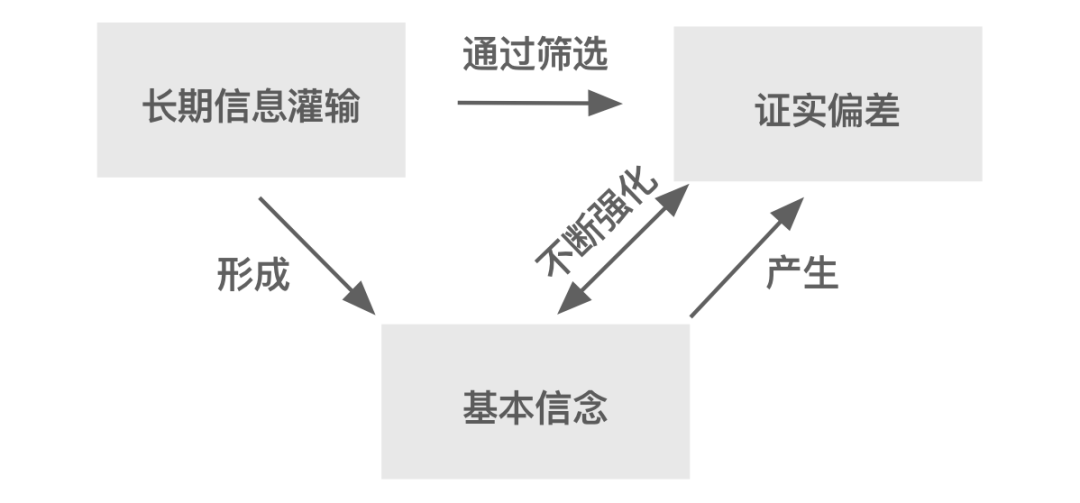 “Severed by technology” is illustrated with this example:
Internet search and algorithmic recommendation can deliver any information you want instantly. You might type the first character of a search query and the dropdown has already predicted the question. You might not even start typing before the platform has surfaced what you wanted. It’s like Doraemon’s Anywhere Door — one impulse and you’re already at the destination. What you miss is the scenery along the way, or the spontaneous detour you might have taken.
The speed and immediacy of the internet cuts off many of our encounters with the world, and with them, many of our chances to feel curious.
Both articles also discuss types of curiosity and pathological curiosity, but I won’t go into those here — if you’re interested, I recommend reading the originals. What I want to focus on is how to cultivate curiosity.
Reading Leonardo da Vinci a while back gave me a new appreciation for just how remarkable Leonardo was. I knew he was a painter, but the scope of his work is almost unbelievable — music, architecture, mathematics, geometry, anatomy, physiology, zoology, botany, astronomy, meteorology, geology, geography, physics, optics, mechanics, civil engineering, and invention:
- In astronomy, he hypothesized heliocentrism — the sun at the center — 40 years before Copernicus.
- In physics, he invented a hydraulic coupling device and proposed the concept of gravity 200 years before Newton.
- In optics, he was the first to suggest that light, like sound, travels as a wave, and that the speed of light is finite.
- In architecture, he designed bridges, churches, castles, and sewers, and was the first to propose separating pedestrian and vehicle traffic.
- In meteorology, he discovered refraction and explained why the sky is blue.
- In military science, he designed helicopters, aircraft, parachutes, machine guns, grenades, submarines, tanks, cranes, and diving equipment — not all built, but all drawn.
Reading this, I honestly wondered if he was a time traveler. The book’s explanation: Leonardo’s surviving notebooks run to nearly 30,000 pages. From what we can see in them, he was profoundly curious — seizing every opportunity to ask specialists detailed questions about their fields, living each day in a state of inquiry. His very last diary entry, written near death, reads: “Tomorrow I need to figure out exactly what shape a woodpecker’s tongue is.”
How many of us today would even wonder that? Probably some — but the moment the question forms, we’d just search it up and get an instant answer. This is an age of convenience, but also an age that erodes curiosity. Leonardo wasn’t just interested in the answers — he was in love with the process of discovering them. He spent 169 pages trying to square a circle. He pursued a single question for years without stopping. He was deeply, joyfully absorbed — in a state of flow — throughout his life.
The last person who left this kind of impression on me was Wittgenstein. Philosophy itself starts with curiosity about the world — the desire to know is part of human nature.
Both now and at first, wonder drove people to philosophize. At first they were struck by the more obvious difficulties, then advanced to wonder about greater things — the changes of the moon and sun and stars, and the origin of the universe. — Aristotle
Most knowledge, in a practical sense, has no direct use in our daily lives. And yet we pursue it — purely because we’re curious.
So how do we keep curiosity alive? I’ve distilled it into three points:
- Observe carefully and follow things to their roots
- Extend the points of contact between yourself and the world
- Keep expanding your thinking
Observe carefully and follow things to their roots. This means maintaining a childlike sense of wonder, keeping your senses sharp, and never stopping at the surface. “Stay hungry, stay foolish.” Keep asking until your curiosity is satisfied. The Chinese word for “knowledge” (学问) literally combines “study” and “question” — because asking is the more important part. So what should you ask about?
Extend your points of contact with the world. For every new thing you encounter, ask: What is this? What does it bring? What does it mean? How does it connect to me? Most opportunities emerge from the collision of possibilities — keep colliding with the world, generating new connections and “touchpoints.” And once you have answers, then what?
Keep expanding your thinking. Use each answer to generate new questions. Seek out more information, update your mental model, build more touchpoints, link them together, and keep growing your web of understanding. Don’t just admire the view from where you’re standing — keep moving. Technology can feel like an enemy of curiosity, the ease of search seemingly making us complacent. But if you stay in an active, exploratory mindset — using technology as a tool rather than a crutch — you’ll find that it actually gives curiosity wings. You can swim through oceans of information and forests of ideas, generating more creativity and vitality than ever before.
To put it simply: all curiosity begins with observation. When something surprises or intrigues you, keep asking — about its nature, about its connection to you, about the possibilities it suggests. Then expand outward, discovering ever-larger spaces and more possibilities, like a widening spiral that feeds more and more curiosity.
Weekly Picks
App: AltTab (macOS)
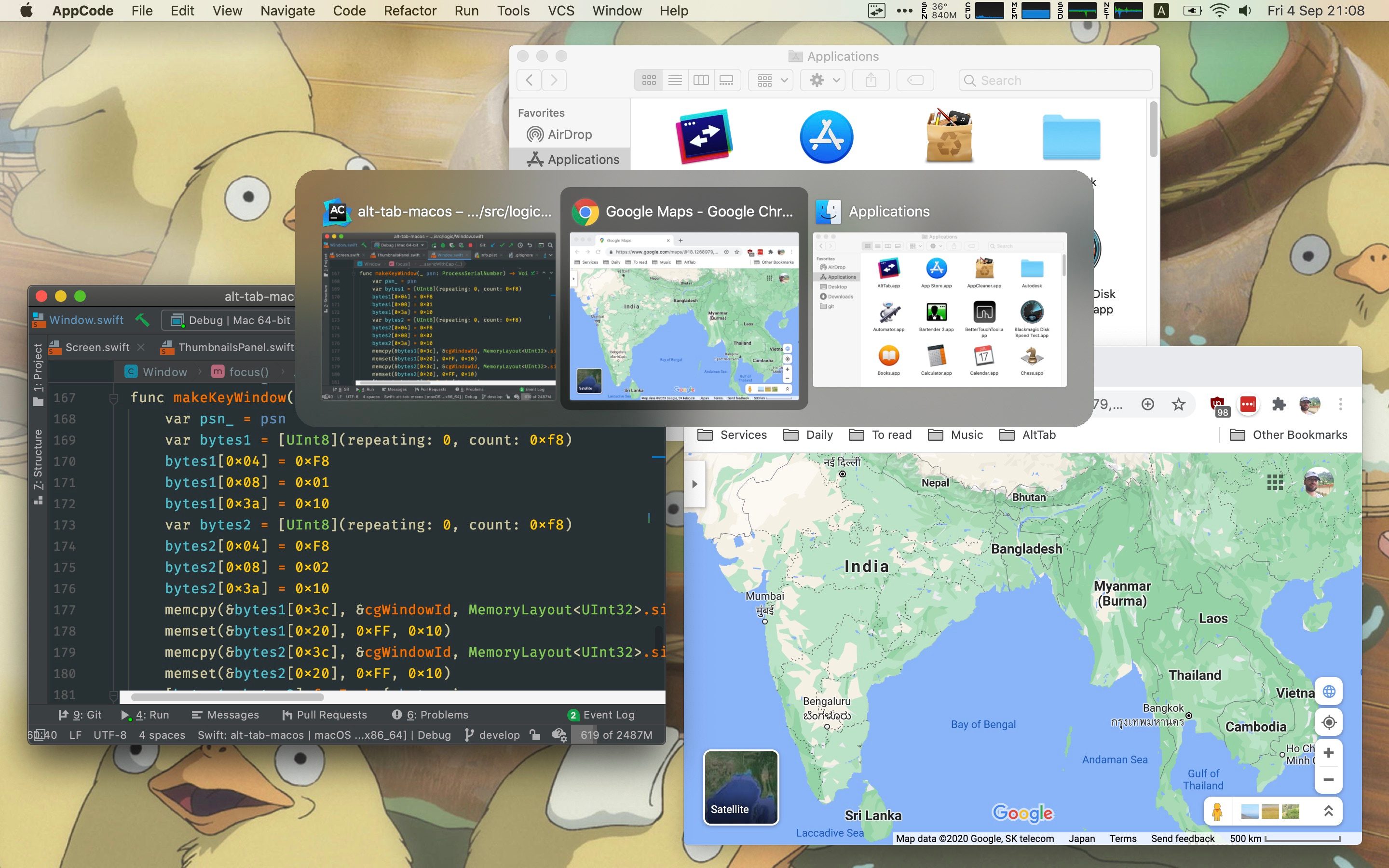
Switching between windows on a Mac can be frustrating. Cmd+Tab doesn’t show a window preview, and it only switches between apps — not between individual windows within the same app.
AltTab fixes this problem elegantly. Install it via Homebrew:
brew install alt-tabOnce installed, Alt+Tab lets you cycle through every open window on the system (including multiple windows within the same app), with a live preview so you can jump exactly where you want.
App: Contexts (macOS)
Contexts is a competing app in the same space — a more established “context switching” tool for Mac.
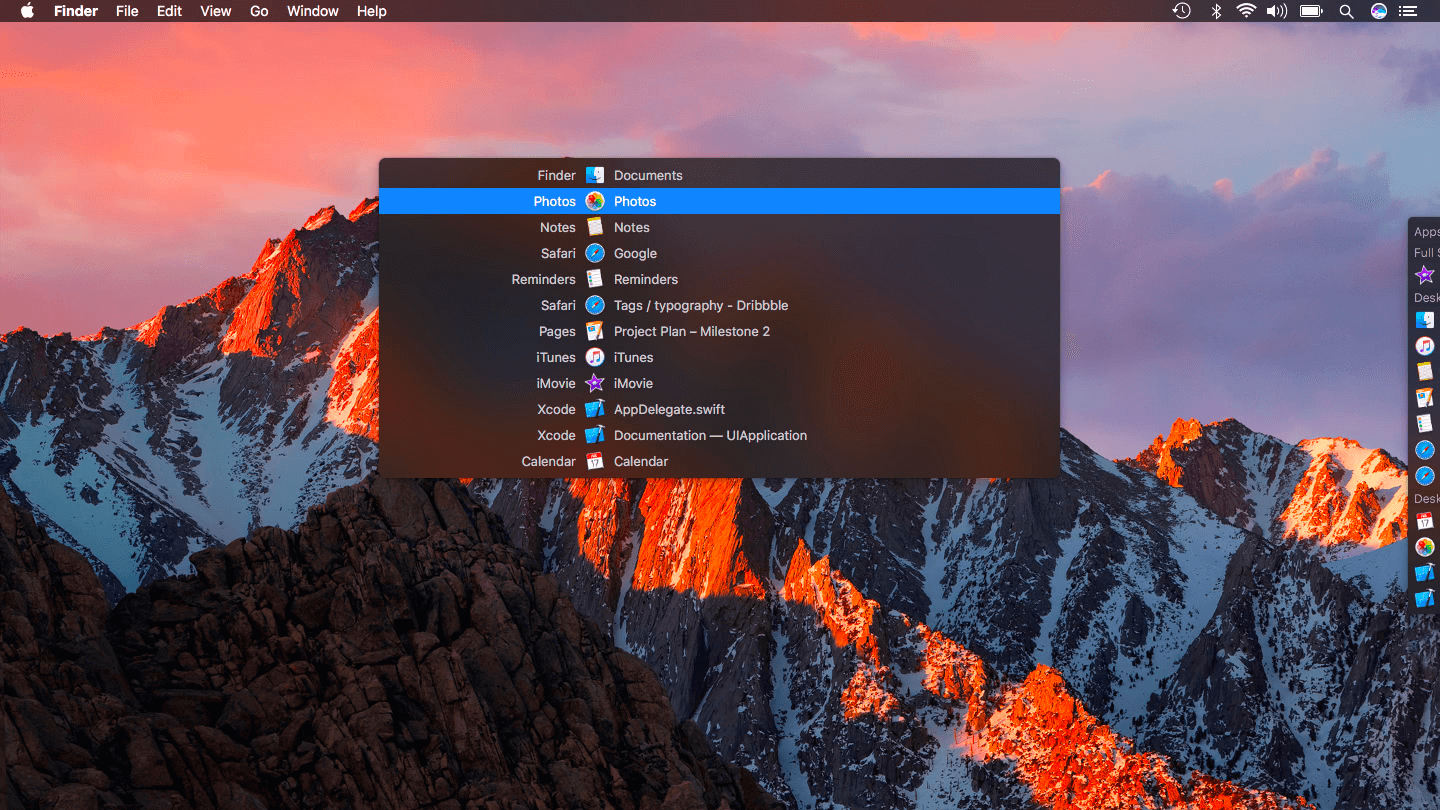
Flutter 3.0 Released
Flutter 3.0 was announced at Google I/O on Wednesday, with a strong focus on multi-platform support — this version adds macOS and Linux app builds. Worth thinking about what this means for Electron.
Reference: What’s new in Flutter 3 | Medium
React State Management Libraries
Finally, a roundup of popular React state management libraries worth knowing: