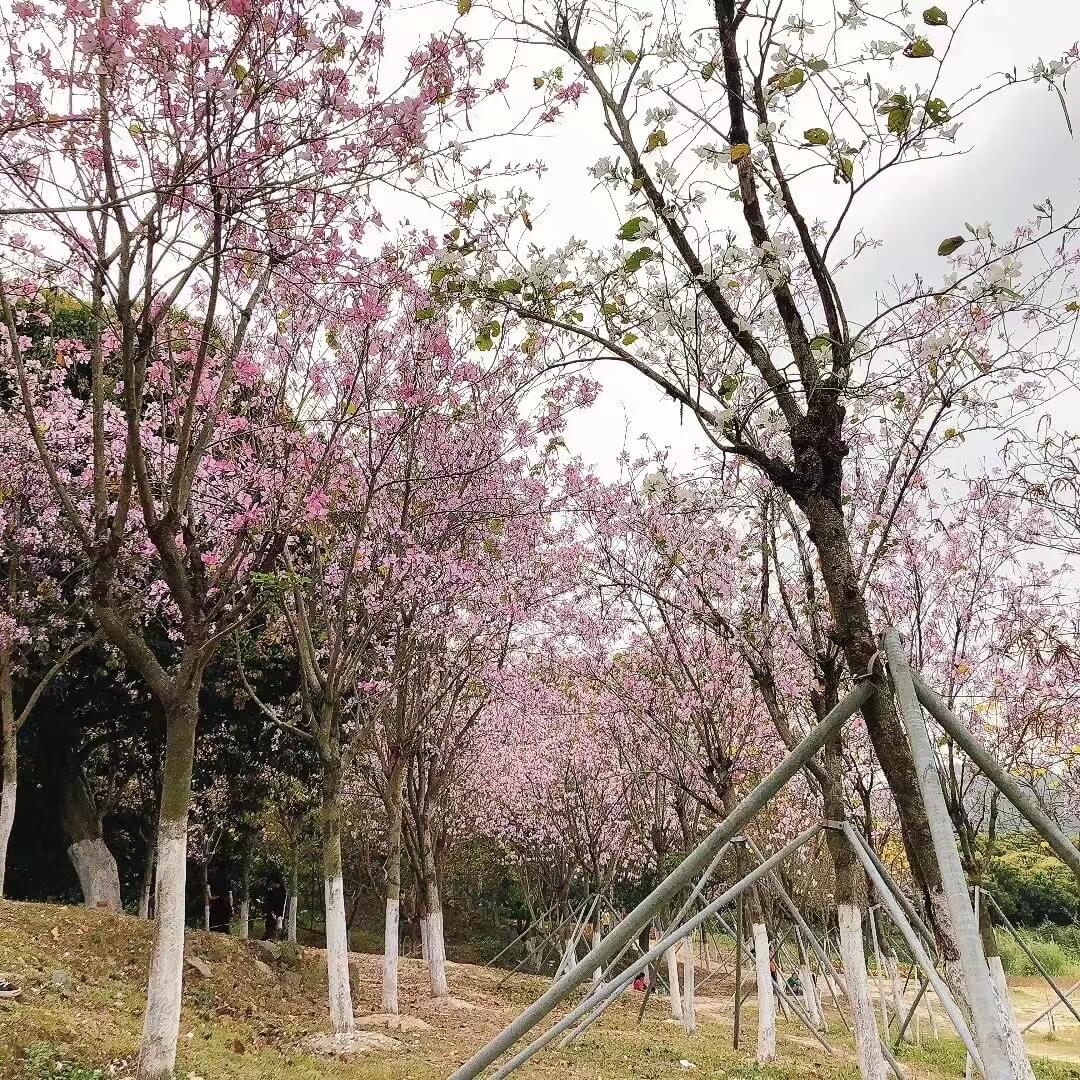
This is a record and reflection on my life in March 2023.
🎬 Books, Films & Shows This Month
- Reading: Novel | Demian | ★★★★★
- Reading: Novel | Young Babylon | ★★★★★
- Reading: Literature | A History of Western Literature | ★★★★☆
- Finished: J-Drama | Restart (Mirai ni Mukatte Hoero) | ★★★★★★
- Finished: K-Drama | The Glory | ★★★★★
- Finished: US Drama | The Last of Us | ★★★★★
- Finished: Film | Love Letter | ★★★★★
- Finished: Film | I’ll Protect You (Bao Ni Ping An) | ★★★★☆
- Watching: Anime | Fullmetal Alchemist: Brotherhood | ★★★★★
March was basically all shows — no games to speak of. Every weekend I was watching something: The Last of Us, then The Glory, then Restart. Let me go through each one, starting with my all-time favorite: Restart.
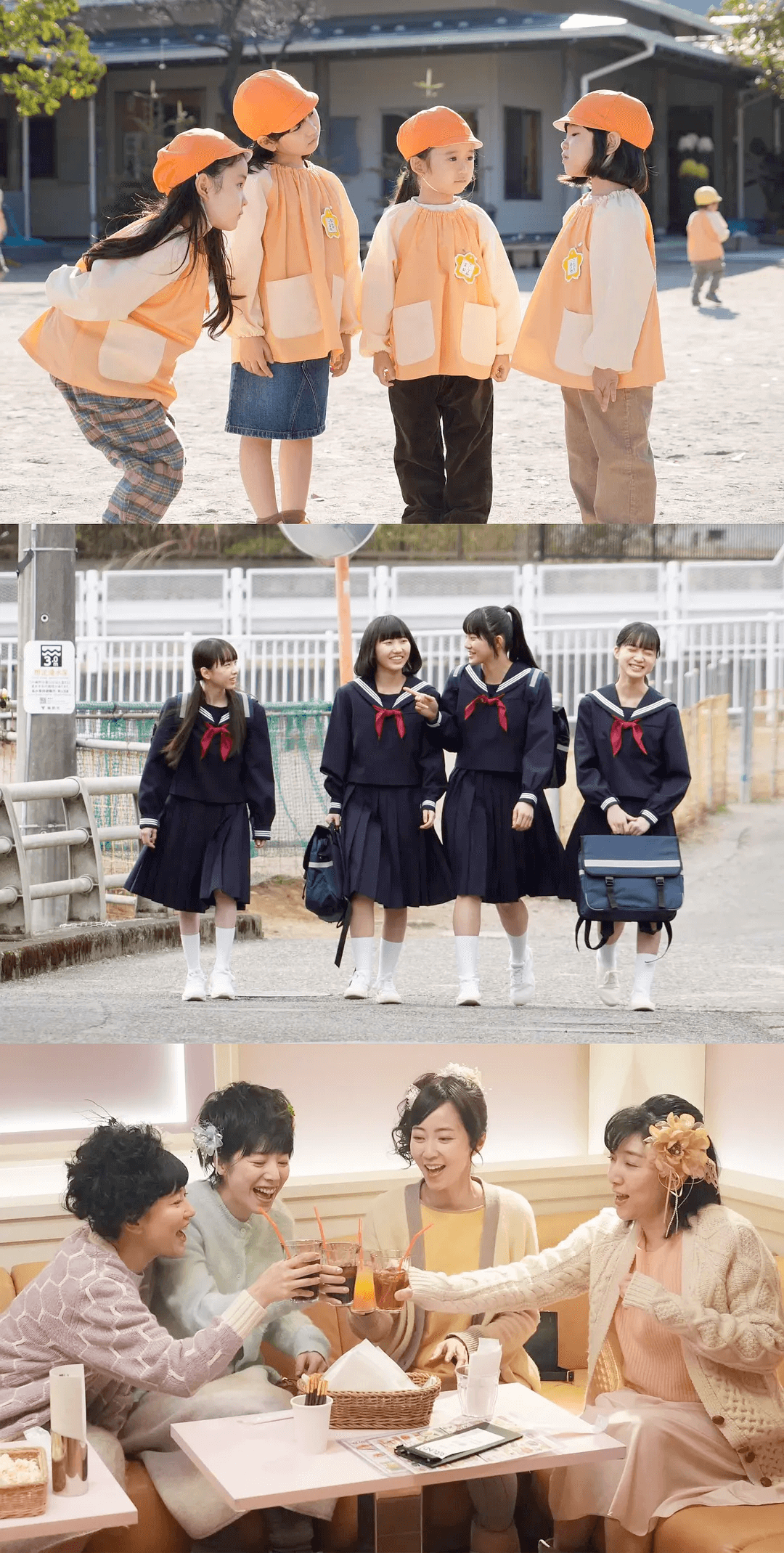
Five stars isn’t enough to capture what I want to say about Restart — so for the first time ever, I’m giving a show six stars. It may only be March, but I’m already calling it my show of the year. The premise: Asami dies in an accident and is told that in her next life she’ll be reincarnated as a giant anteater — unless she lives enough good lives to earn a human rebirth. So she keeps restarting. What makes this show genuinely unlike any other reincarnation drama is how it manages to be, in the truest sense, “quietly extraordinary.” A few of its strengths:
One: Quietly truthful
The opening forty minutes of Episode 1 are entirely mundane — Asami’s colleagues debating whether you have to say “welcome” to customers if you work at a city hall, a birthday dinner where no one remembered to bring a cake (would the restaurant staff mind?), calculating where her dad hides his secret spending money. The story is dense with dialogue, almost entirely made up of trivial daily back-and-forth, seemingly forgetting that the big “reincarnation” premise even exists. My first reaction was that the first episode felt flat, even a little boring. But this meticulous writing, these small character habits and throwaway observations — all of it is doing something. The scenes accumulate like sediment, creating a quiet sense of reality, until the audience finds themselves believing these characters are close friends, genuinely invested in their fates.
By the third cycle, I started to see fragments of myself: exhausted from overwork, but late-night visits from good friends somehow make everything feel okay, and that moment of warmth feels like grace.
By the fourth cycle, everything turns bittersweet. If Asami has spent a hundred years across multiple lives growing distant from her best friends and family, what does human rebirth even mean? After a hundred years of cycling through lifetimes, the thing Asami misses most of all is a distant afternoon in childhood when she and her friends traded stickers. And so do we, as viewers.
Breaking through the internal emotional momentum of the text, catching the faint fluctuations of a character’s present-moment thought — this truthfulness becomes an incredibly delicate emotional transmission. Without realizing it, I came to think of these characters as real friends.
Two: Sees every character as an equal; doesn’t mock any way of living
A minor character named Shofuku deserves attention. He overestimates his musical ability throughout his life, his career never takes off, he ends up divorced, and eventually works as a karaoke staff member. By conventional metrics, it’s a sad life. But the show’s depiction of him carries a quiet subtext: no one has the right to evaluate or pity his life. As Camus wrote: “One must imagine Sisyphus happy.”
In the second cycle, Asami briefly considers steering Shofuku’s life toward something “better.” In the end she doesn’t. Years later, she runs into him at the karaoke bar, and their conversation confirms that he’s genuinely content — that his smile is full of happiness. Asami feels a deep relief at her choice not to interfere.
Ordinary is not the same as mediocre. An ordinary life is at least one you’ve made your own; a mediocre life is one you might look back on and despise. Shofuku is an ordinary working person, but he is trying hard, and he is happy.
This brings us to the warmer idea underneath the whole show: living isn’t the point — being happy while living is.

Three: A warmer, stronger core
This drama gives us life as it is — but at the same time it holds something richer, simpler, and more powerful.
The same is true of great works in general. A great work doesn’t exist to make the audience relive reality; it takes reality and transforms it into something — transmitting a more intense emotion to the audience.
Too many contemporary works are full of condescension, mockery of their characters and even their viewers. Deformed aesthetics produce hollow values. They treat every natural thing — material, emotional, or moral — as an enemy to be cut away, abandoned, or destroyed, and the more thoroughly it’s cut away, the more “elevated” the work claims to be. The result is a fundamental disconnect from the actual world. Arbitrarily inflicting harm on embodied, natural human feeling doesn’t produce aesthetic pleasure; the spiritual reward it tries to claim is a kind of distorted psychological pathology.
Yet here in this world, a person does not exist merely as an individual. Each of us is also a singular, unique point — always a crucial and miraculous node where the world’s ten thousand phenomena cross, full of unrepeatable contingency.
As the anime Nichijou put it: Every ordinary day we live through is a string of small, continuous miracles.
And all we need to do is feel the waywardness of emotion, reaching for freedom and exploring human nature.
In each of those quiet ordinary days, Restart writes its story in the colors of kindness, without a word of moralizing, and earns every round of applause. It accepts that individual strength is limited — that even with a chance to reset, you can only improve a little each time. But through those small incremental efforts, you can still polish your own life into something luminous.
And the ending — the warmest thing of all. Watching the final moments, you feel as if time has stopped and everyone has come back. After a hundred years of wandering in circles, you finally hold on to the people you love most. Rather than becoming human alone, let’s all become pigeons together!
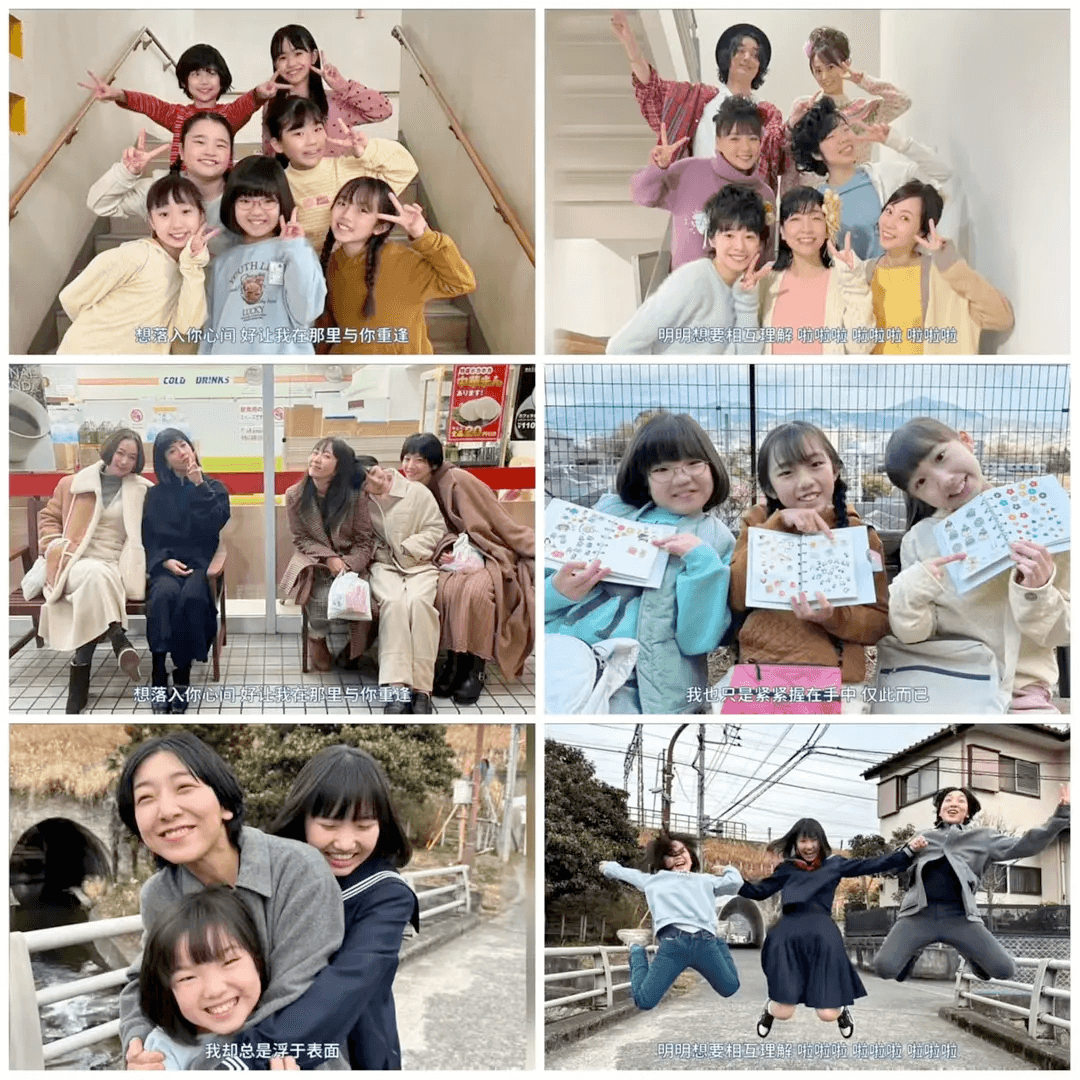
PS: The behind-the-scenes chemistry among the cast is wonderful — the bonus episodes are worth watching!
Beyond Restart, both The Last of Us and The Glory are perfect-score works in my book. Both have unconventional endings — revenge carried out, abusers not forgiven, no intervention by some lofty “greater good” — and both are deeply satisfying to watch.
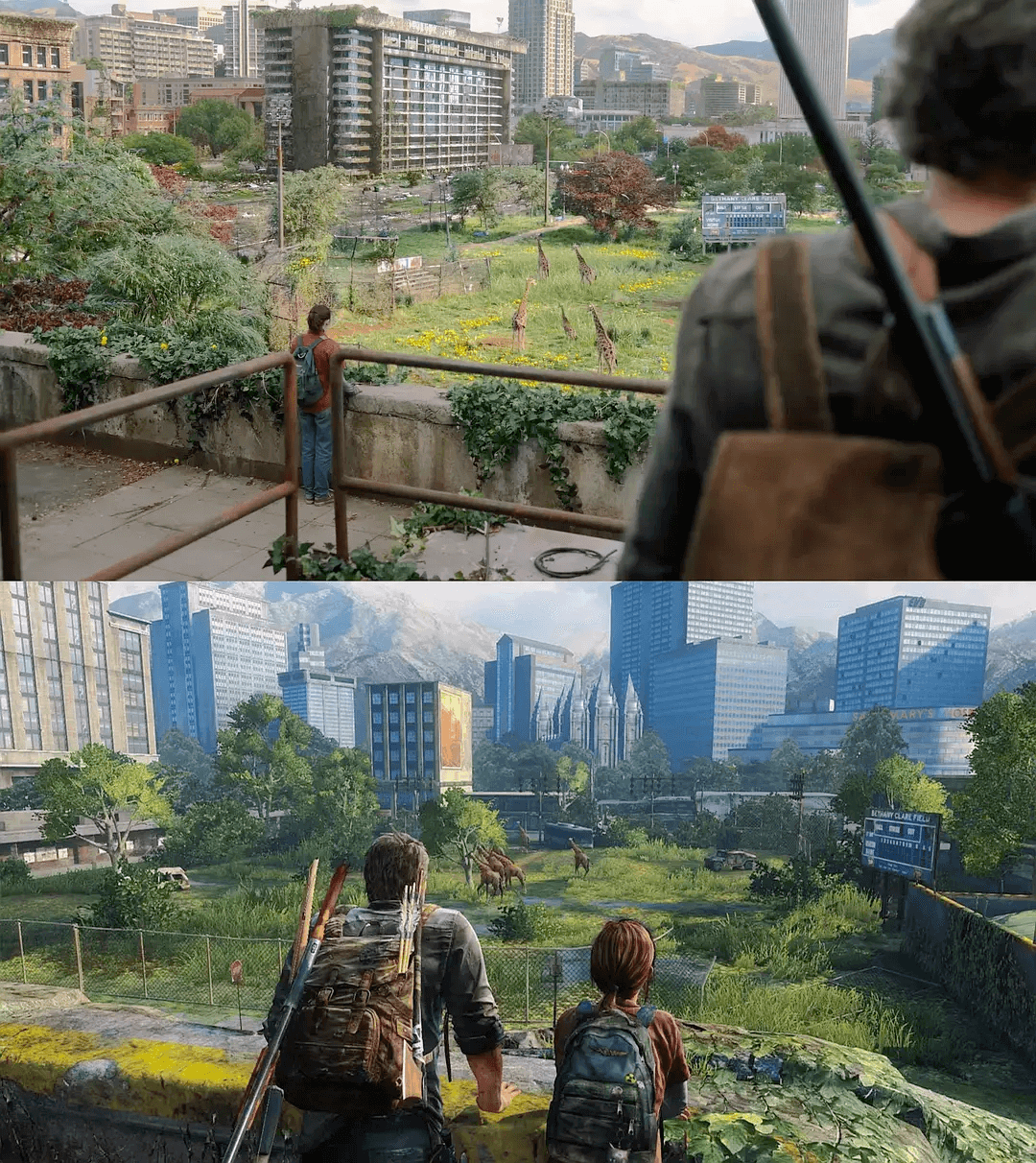
The Last of Us stays faithful to the original game but makes smart, restrained adjustments — trimming combat sequences that would have made the show feel like a straightforward video game adaptation. The source material was already a masterpiece, so a faithful adaptation naturally works well, and the performances are exceptional. Joel and Ellie’s actors are just stunning.
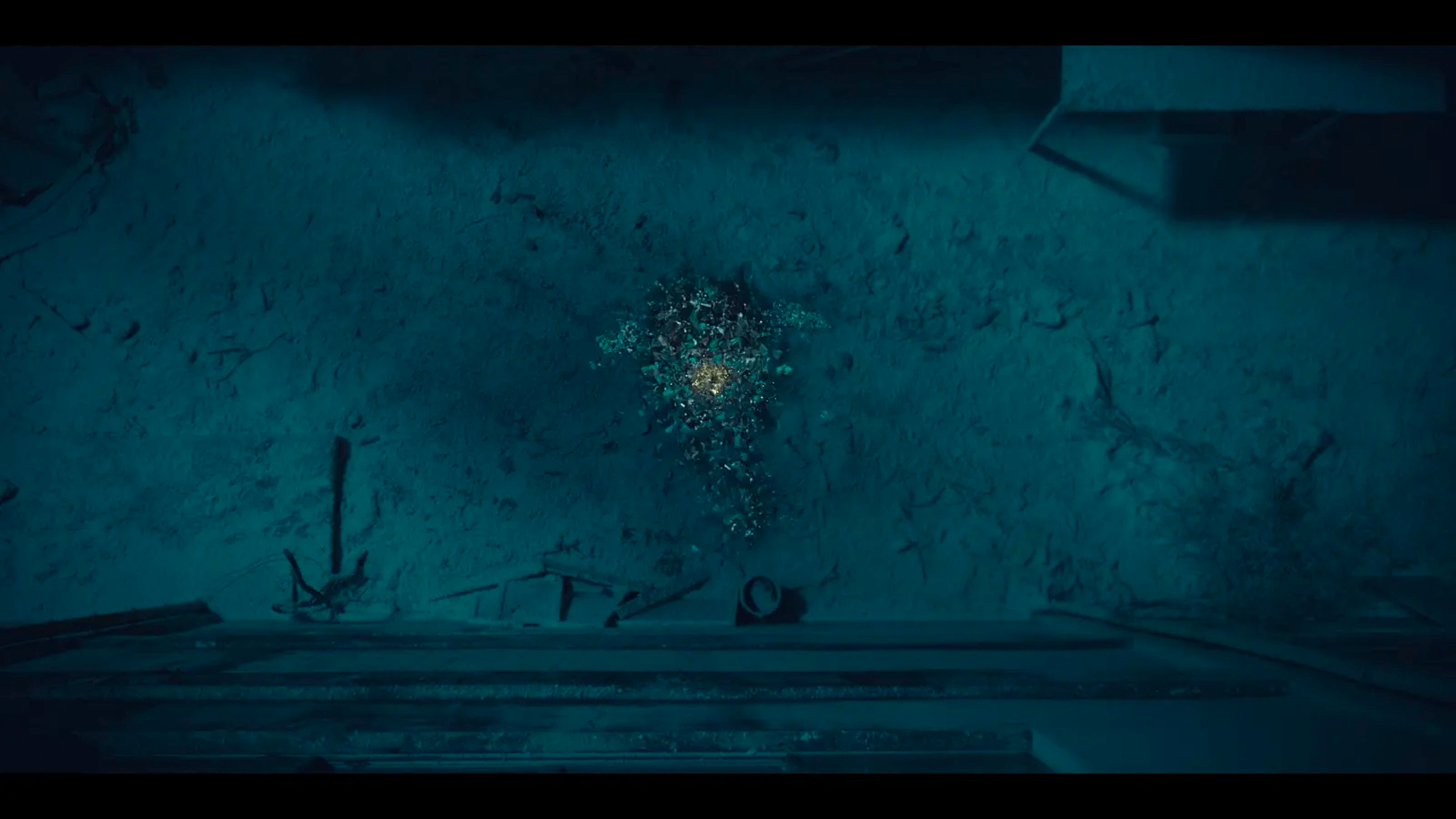
With The Glory, I found myself more drawn to its visual language than its revenge plot. The frequent first-person perspective during bullying sequences deepens audience identification and makes the later revenge feel more cathartic. The lighting contrast when the female lead reveals her scars in moonlight, the four-seasons changes of the banyan tree in the go scenes between teacher and student — gorgeous frames throughout. Some of the sound design is worth studying too.
🌺 Life Moments This Month
🏸 Started playing badminton again this month. I hadn’t played since the pandemic hit at the end of last year. Picking the sport back up and meeting interesting people through it — that feels like a gift.
🚴🏻 Started cycling to work this month. Actually faster than driving, and I’m saving a fair bit on parking every day. By the way, a pedal-assist e-bike on the road feels like cheating in the best possible way.

👩🏻🍳 Under the tutelage of Chef B, I’ve been learning to cook — so far: rice cooker chicken legs, blanched shrimp, and oyster-sauce greens. (No photos. It’s edible, and that’s what counts.)
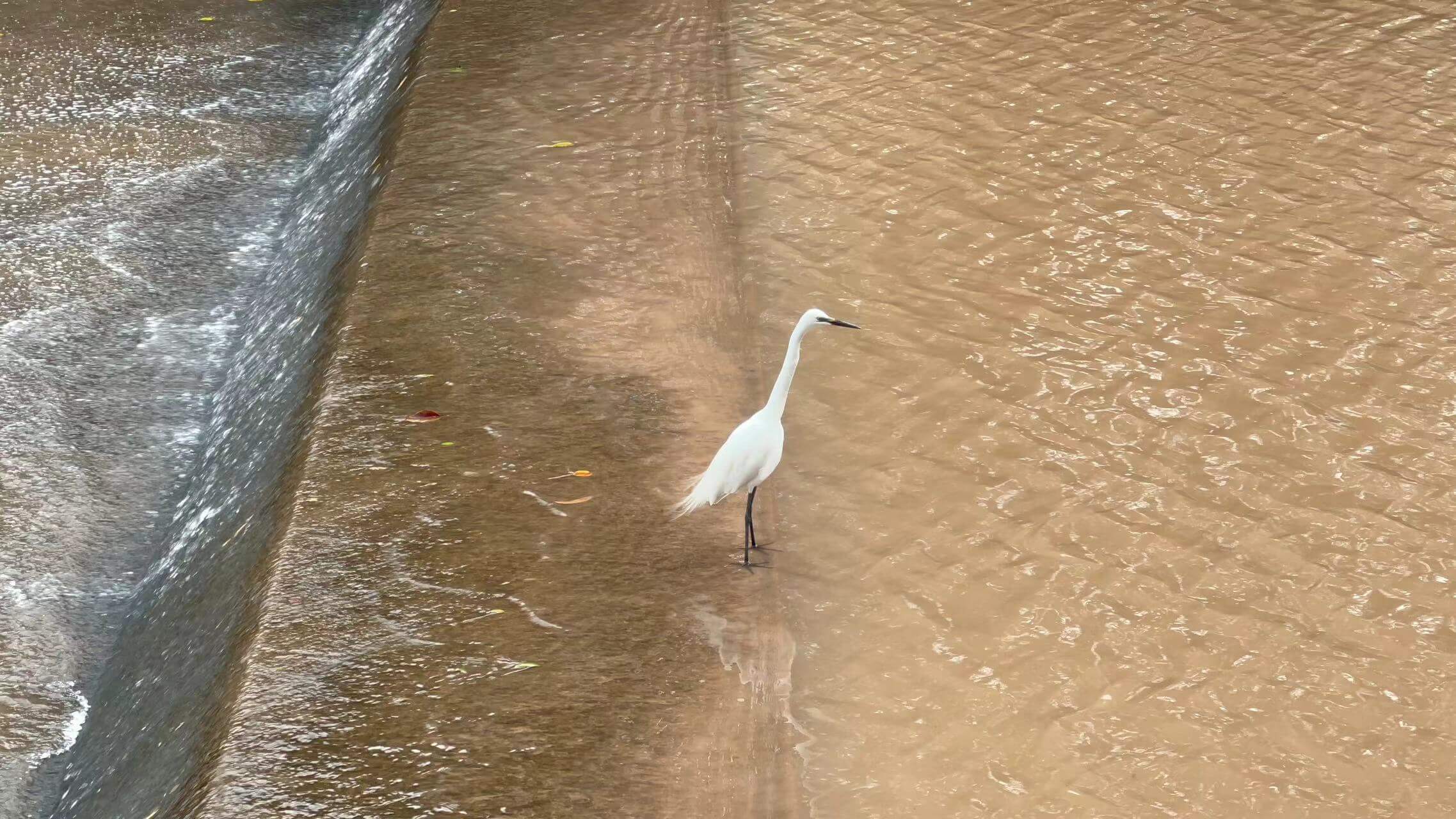
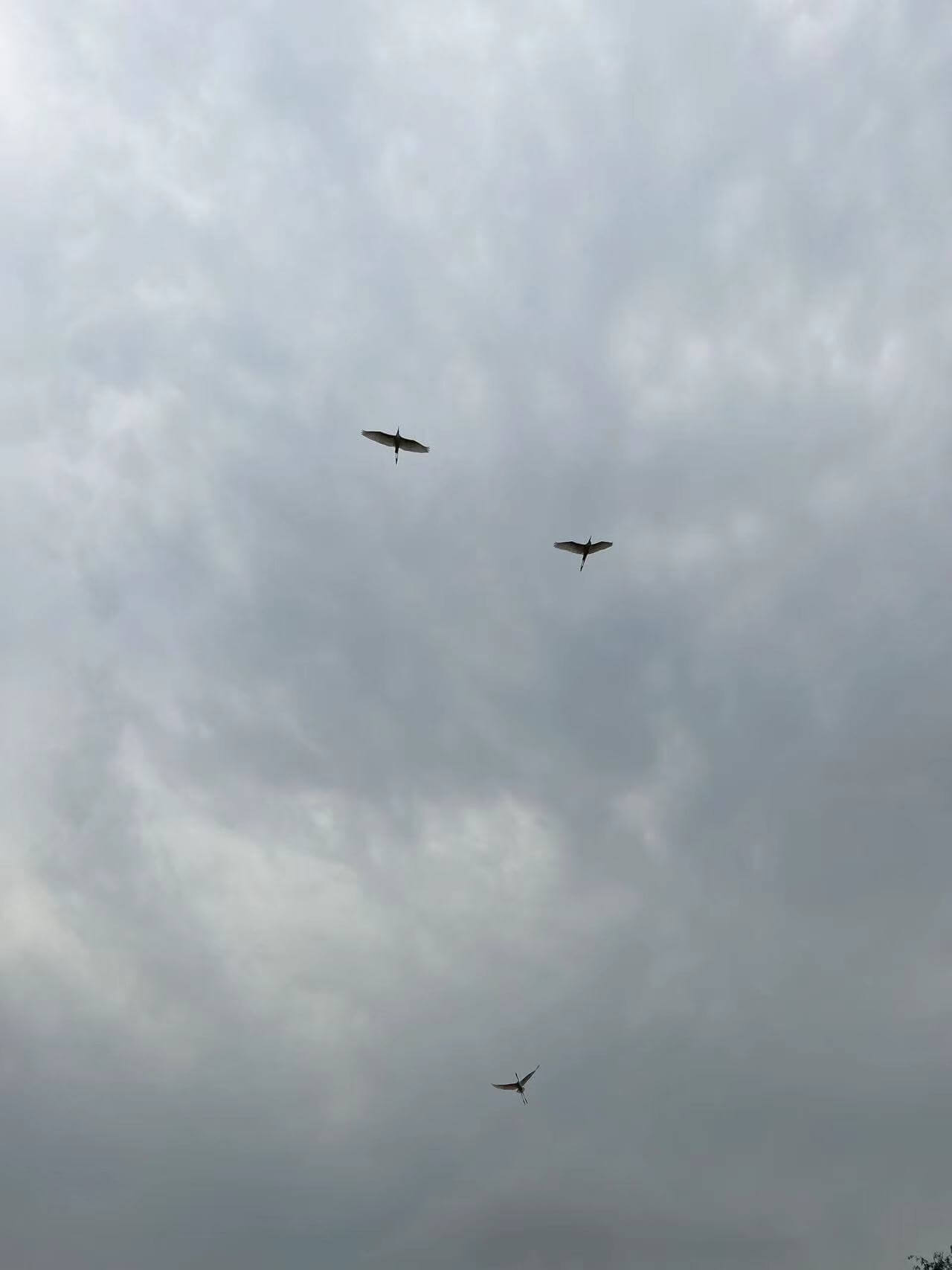
🦆 One weekend afternoon I sat by the river below my building for hours, just zoning out — watching an egret catch fish, watching the water move, feeling time pass through my fingertips. In that moment I think I finally caught a glimpse of why people enjoy fishing.
👨💻 Feeling a bit adrift about the direction of my work. On a Sunday I went to lunch with senior colleague B, and after that conversation, everything clicked into place. I’d been too fixated on the immediate, too eager for quick results — that was the source of the drift. So I went home and mapped out a career goal for every year of the next seven years. One step at a time, and eventually I’ll reach the top.
Also that afternoon: went with a friend to test drive an Avatr. The sales person made a strong impression — though very young, their dedication to the job was clear, full of enthusiasm and genuine care. They told me: treat your work with both passion and humility; when it’s time to work, don’t let anything else in, do things beautifully, and good results will follow naturally.
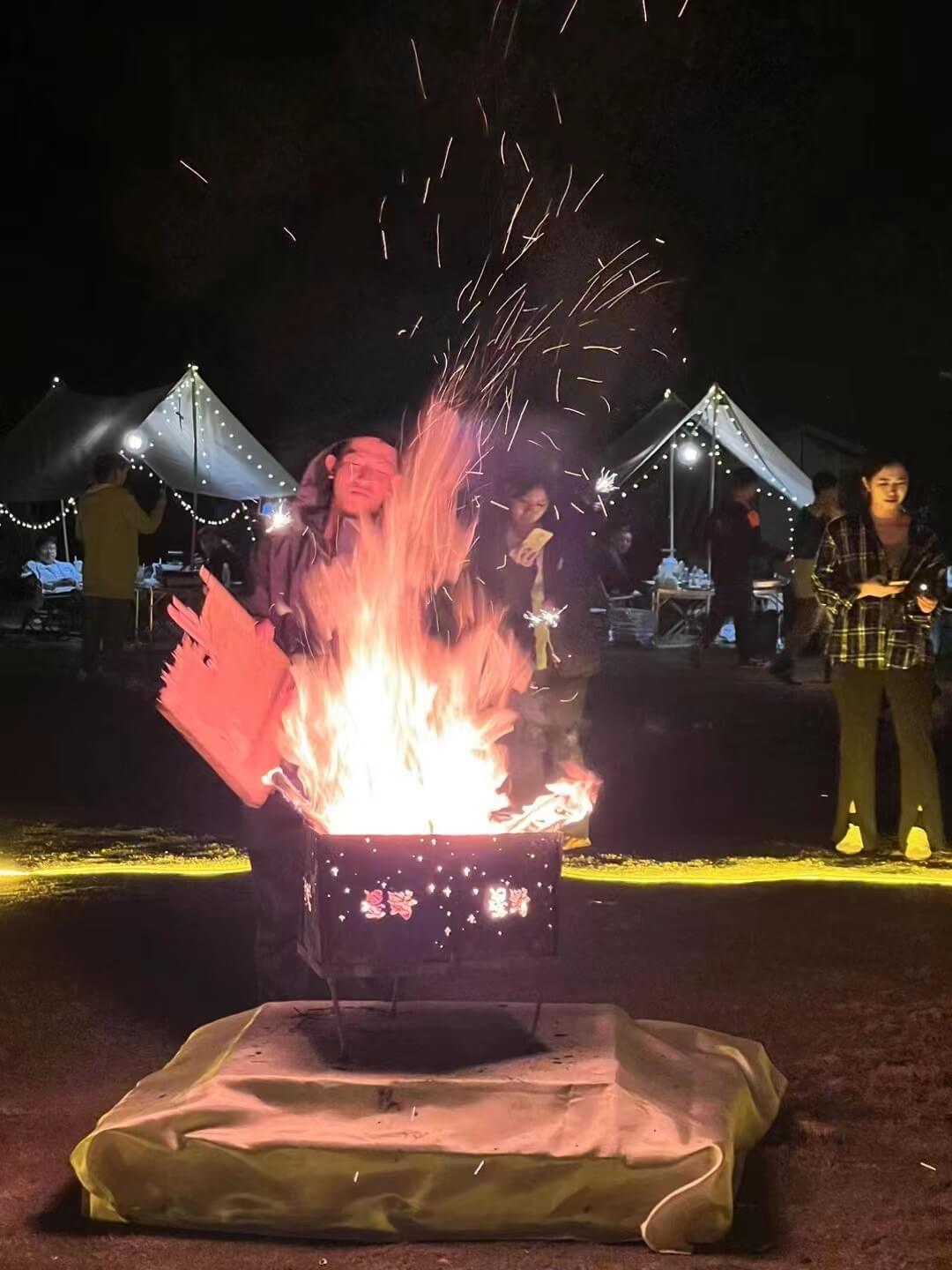
⛺️ Team camping at the foot of Wutong Mountain. Traffic was brutal, but the convertible finally had its moment in the mountains. By the way, a campfire evening in the wilderness hits differently.
In short: March was joyful, full, and satisfying — the most satisfying March since I started working. Here’s hoping April is an April of abundance and bloom, an April that catches you off guard with its beauty, a tender and fragrant April. 💐