From High Efficiency to High Drain — Observations and Reflections
The Phenomenon: Information Consumption Goes from Efficient to Exhausting
I came across an article on the Tencent Research Institute website titled Why Does the Internet Make Us Increasingly Unhappy?, which raised the point that the mobile internet has shifted from a source of high efficiency to a source of high drain. “Going online” has itself become an anxious activity.
Today, the internet is our mental home — the medium through which we connect with the world. We live in a “connected society” where the relationships between people and things, and between people themselves, have all been replaced by “connections.”
Every concrete, multifaceted person has been reduced to an abstract, thin data-transmission node — treated as emotionally transparent traffic. — 2022 Big Social Trends Report
Think about the last time you put down your phone or closed your laptop: were you satisfied, calm, content? We started going online to access information and learn new things. So we pursue efficiency — blocking noise, building tools, optimizing workflows. One hand tries to organize information, while the other hand can’t settle down, caught in the whirlpool of “productivity,” unable to pull free.
We want everything to move faster — eat faster, walk faster, live faster. Time pushes us forward and we keep accelerating. At some point, “being efficient” itself becomes mentally exhausting.
So why do we keep wanting to go faster? Why has the pursuit of efficiency turned into a drain?
The Root Cause: Self-Mutilation in the Pursuit of Efficiency
The article Life Is Not a Marathon describes a concept it calls “self-mutilation”:
Modern people have only one track in life: wealth and success. Everyone has success anxiety. Chinese people have simplified life down to one thing — chasing a mythical grail called “financial freedom,” the moment you achieve it, you’ve won the game. Before reaching financial success, they believe they have no right to marriage or children. It’s like a video game where you only get rewards after finishing, and since you haven’t finished, you don’t deserve them — so they choose to self-mutilate. — Life Is Not a Marathon
The deeper drive behind efficiency-seeking is our pursuit of something we define as “wealth” — and that doesn’t have to mean money; it can mean recognition, status, anything we’ve designated as the goal.
In the middle of a vast ocean, we keep setting navigational markers for this voyage called life. These markers are the “rules of the voyage” we assign to ourselves. We use these rules to reach each milestone, searching for what we call a sense of meaning.
And because we want to reach those milestones as fast as possible, we put our heads down and push forward — chasing efficiency blindly, trying to make the engine run faster and faster.
Meanwhile, we’re losing sight of what’s passing by. Too fast to feel it. Too fast to think about it. Too fast to appreciate it.
Without any energy coming in, efficiency becomes consumption.
Reflection: People Need More Than Just High Efficiency
First: behind efficiency, it’s not the tools that matter — it’s the person.
Never forget that the point of pursuing efficiency is to do something better, not to switch GTD apps every day while still forgetting to do anything; not to pay for the most expensive note-taking software while still procrastinating for days without writing a single word.
The article How I Painfully Broke My Efficiency Addiction calls this “efficiency addiction” and offers five solutions. For a full read I’d recommend checking the original; here are the points that resonated with me most:
- Break the tool fixation: Learn to distinguish between a toy and a tool. Use tools when they serve you, and use them for what they’re actually for.
- Review the value tools actually create: Use tools as much as possible, then check the input/output stats they produce and honestly ask yourself: has this tool genuinely added value to my life?
- Use powerful tools lightly: Use tools in whatever way feels comfortable, not to justify the tool’s existence — a tool’s purpose is to create value, not to be used for the sake of using it.
Second: do what you love.
Before optimizing for efficiency, figure out what you actually care about. Then direct your energy toward that. Don’t let trivial busywork bury the thing you’re actually here for.
Efficiency is not the goal itself — but pursuing it well can give us access to more of what truly matters. Efficiency is meant to free up time so we can do what we love, experience life, take care of our health, have fun, and actually feel happiness.
Finally: slow down and feel.
The article Behind Efficiency, It’s Not Tools — It’s People has a great line:
An efficient life doesn’t mean completing every single thing efficiently — eating efficiently, sleeping efficiently, socializing efficiently. That just sounds like dying efficiently.
So slow down, periodically. Shift attention away from the task at hand. Bring the focus back to yourself. Get quiet and reflect.
People need more than efficiency. What we should pursue isn’t “faster” — it’s “slower.” What we’re actually missing isn’t productivity — it’s the willingness to let go.
Slow down. Pay attention to your own thoughts, emotions, and body. Savor life. Experience it. Don’t become a cog in someone else’s machine. I’ve written about the importance of experience before in On Existence, Value, and the Experience of Life — no need to repeat it here.
So how do we actually experience the world?
L先生’s article last week, Stop and Feel, talks about cultivating perceptivity — the capacity to connect with other people and with the world, to breathe with them as part of a shared whole. It has three components:
- Self-monitoring: The ability to acutely sense subtle changes within your own body, to be aware of your own state.
- Empathy: The ability to genuinely feel another person’s emotions, thoughts, and experiences — to stand in their shoes.
- External immersion: The ability to deliberately bring your attention into the environment around you, and experience and feel the world outside yourself.
“Love specific people, not abstract humanity. Love life, not the meaning of life.” — Dostoevsky
Efficiency is just a personal choice — one means among many toward a life goal. And no one ever decreed that life is a marathon.
At the end of The Brilliant Friend (明朝那些事儿), the author uses Xu Xiake’s story to deliver what I think is the most perfect closing line anyone could write — one that holds its own against any king or general: “There is only one kind of success — living your life in the way you choose.”
Before this, I told you about many things: rises and falls, kings and ministers, helpless transitions, and shifting fates. But this one thing, I believe, is the most important. Because I want to tell you: all those dynasties, all that legacy, all that glory — it’s just dust. First it becomes waste, then it becomes earth. — 当年明月
Because in the end, all of it is external. Only health, dreams, memory, and love will stay with us for life.
May you resist the current, keep love within reach, and let your heart overflow with light.
Weekly Picks
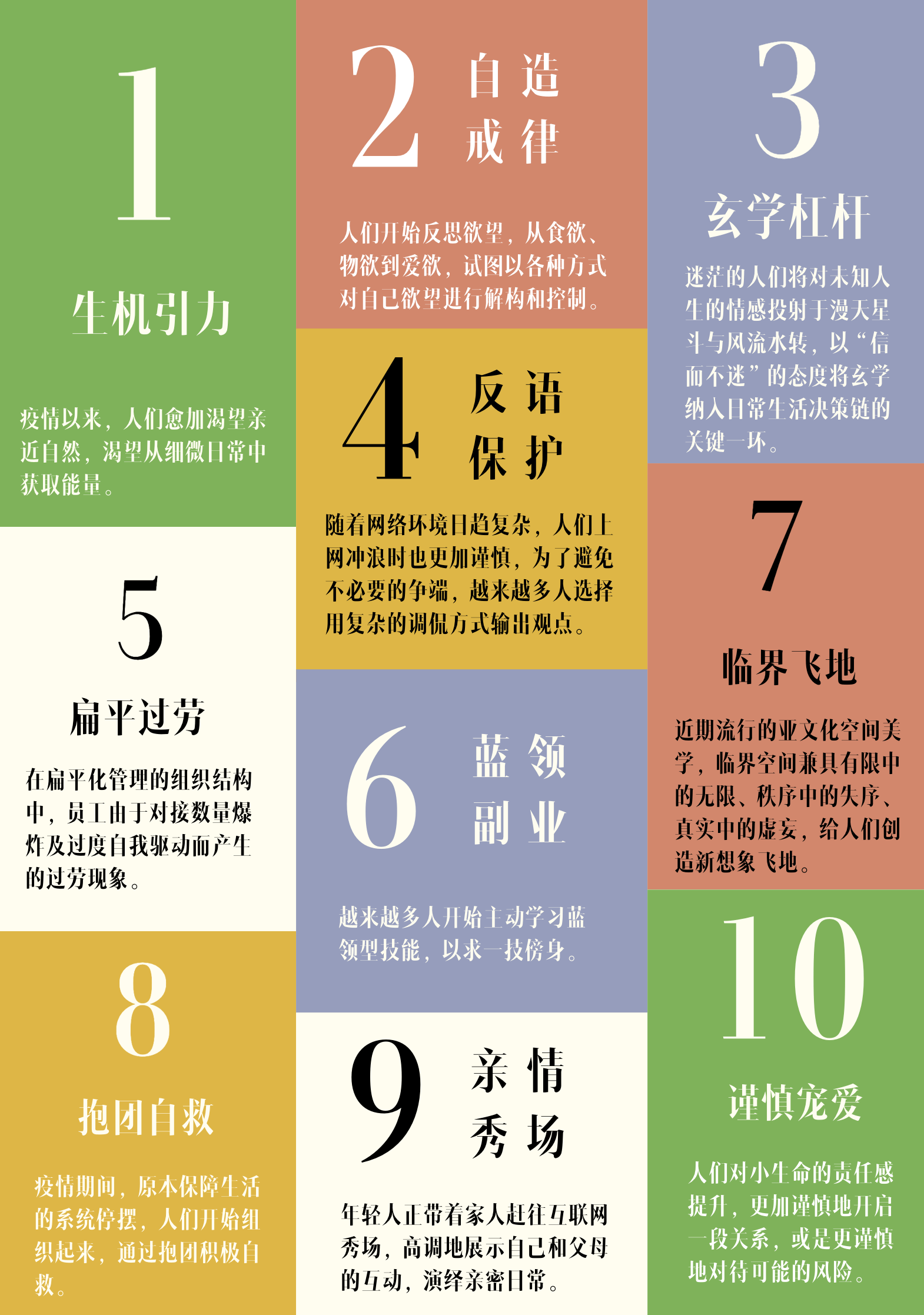
2022 Big Social Trends Report
PDF: 2022 Big Social Trends Report — Maoze Consulting
I really like the presentation format and content structure of this kind of research report. Each observation point is broken into four sections:
- What’s new
- Case
- Why
- How
Muse 2.0
Muse recently released version 2.0, which now runs on Mac. Still waiting with anticipation for the whiteboard app that iPadOS might bring.
PS: The Muse developers are genuinely lovely people. They specifically lowered the price for China mainland users. I once emailed them in my broken English asking about file sync, and they replied thoughtfully and in detail. You can tell from using the app that someone cared deeply about making it right.
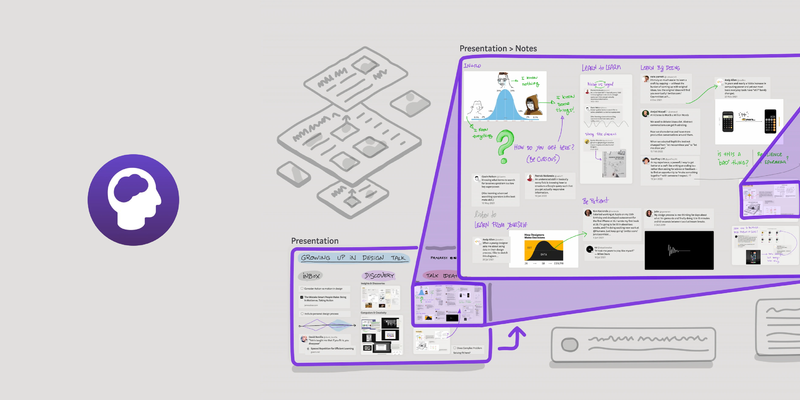 Further reading: Design and Experience Both Shine — Muse, Another Option for Whiteboard Tools — sspai
This Week’s Log
Recent Viewings
- Finished: Letters | The Letter with Your Handwriting | ★★★☆☆
- Watched: Thriller | Memories of Murder | ★★★★★
- Watching: Anime | Spy × Family
- Watching: Documentary | The Path of Heroes
- Playing: Switch | 13 Sentinels: Aegis Rim

Recent Code
TypeScriptReact  32 hrs 30 mins ███████████████▋░░░░░  74.5%
TypeScript       7 hrs 31 mins  ███▌░░░░░░░░░░░░░░░░░  17.2%
JavaScript       1 hr 35 mins   ▊░░░░░░░░░░░░░░░░░░░░   3.7%
JSON             42 mins        ▎░░░░░░░░░░░░░░░░░░░░   1.6%
Dart             20 mins        ▏░░░░░░░░░░░░░░░░░░░░   0.8%