← Weekly shelf Issue 005
中 EN
NO. 0052026.10.18—10.24

AI Trends Weekly

Every Monday · Understand what is changing

Airing, a panda in a blue beret and orange scarf, sorts a tangled paper ribbon into three compartments. AI concept illustration.

COVER STORY · AGENT ENGINEERING

Less weight.

Better agents.

After 800 lines of rules, rethink the work
The panda’s desk · AI illustration

EVIDENCEWhat does 98% in physics tell us?

WORK & LIFEMore efficient. More fulfilled?

AIRING’S READING DESK

005

Less weight.
More judgment.

Why did 800 lines of rules make an agent less reliable? A developer’s rebuild and Anthropic’s advice on subagents bring the focus back to the work.

Editor
Airing
Reading period
2026.10.18 — 2026.10.24
Publication date
2026.10.26Every Monday
Inside
17 saves · 5 themesIncludes 2 readings from last issue’s addendum

EDITOR’S GUIDE

Put rules where they work and keep handoffs that earn their cost. Then ask: as machines get faster, what deserves our time?

From Airing’s reading streamReadings, supporting references and image credits included.

01

Give agents less

Rules, subagents and the constraints worth keeping.

COVER STORY

More instructions. Less reliable work?

A game developer’s failed rulebook exposes the limits of adding instructions. The next step is to rethink where information, judgment and checks belong.

The failure hidden inside an 800-line rulebook

Start with the actual project. Liu Junyi was building a Cocos Creator game for WeChat. The client, server, protocol and product requirements lived in four repositories, with different roles handing work to one another. To keep AI on track, he expanded a Skill and its instructions from over 500 lines to over 800 and added rules it was supposed to obey. Steps still went missing; requirements disappeared between stages. 13

This was not a controlled comparison of long and short prompts. It does not establish 800 lines as a failure threshold. The revealing detail is one concrete mistake: the decoration system allowed at most 20 placed items to be returned to inventory in a batch. Task decomposition turned that into “return all,” and the implementation faithfully did exactly that.

The constraint lost its provenance. An implementer who sees only the previous agent’s summary cannot tell whether “all” is a product decision or an omission in the handoff. Another instruction to follow requirements does not restore the missing information.

01 / WHERE THE LIMIT DISAPPEARED

20 → all: a constraint lost in a handoff
  1. REQUIREMENTAt most 20

    A limit is part of the task

  2. TASK SUMMARYReturn all

    The limit vanishes in translation

  3. IMPLEMENTATIONFaithfully wrong

    Matches the summary, violates the requirement

REPAIR THE HANDOFF

Check the original bounds → cite the design → reread it during implementation

Based on the author’s batch-return example, not a model benchmark.[13]

The author rebuilt the work around a staged workflow called x-flow. Specialist roles remained, but designs, tasks and implementations were connected to inspectable artifacts, with human review at important transitions. The valuable change was not simply more stages. It was the ability to trace a decision back: check the design against requirement boundaries, make tasks cite the design, and have implementation read it again. That gives the missing “20” a chance to surface before a user encounters the bug.

Some rules belong in code. Some knowledge can wait

The same case describes an import between game packages that worked in the editor but crashed on a real device’s first load. Repeating the lesson in a prompt asks the model to remember it every time. A checking script can identify the violation before submission. 13

When a condition can be checked reliably, let a program check it. This does not mean encoding every product decision. Whether a design is good or a feature deserves to exist still requires judgment. Whether a file exists, protocol versions agree, or an import path is allowed often does not.

02 / WHERE RULES BELONG

The whole manual need not travel every time
ALWAYSCore constraints
Goal, authority and boundaries
ON DEMANDSkills & references
Stage-specific procedures, knowledge and history
ON ACTIONTools & scripts
Versions, paths, preconditions and schemas
AT HANDOFFPeople & acceptance cases
Real experience, tradeoffs and consequential exceptions

Editorial synthesis: carry less repeated material while giving constraints a reliable home.[13][16]

The figure is this issue’s synthesis of the case. It makes two kinds of room: keep permanent instructions short enough to notice, and retrieve stage-specific material when it becomes useful. Knowledge is retained without carrying the whole library into every exchange.

Memory also needs conditions, dates and evidence. Facts about code should come from the current code. Frequently used advice can be stale; a rarely invoked publishing constraint can still be essential. Prune a rule because it is obsolete or a stronger mechanism now enforces it, not simply because it has few recent hits.

A subagent can parallelize work and restart understanding

Another central reading comes from Anthropic. For some enterprise systems, it recommends folding closely related subagents into a main loop, moving specialist procedures into Skills and tools. Handoffs can lose context and add latency. It also retains reasons to use subagents: context isolation, independent parallel work and conflicting tool environments. 16 Official article

Consider support for a customer asking about both an order and its arrival. If two specialists keep exchanging information about the same order, their synchronization cost may outweigh the complexity they remove. One agent holding the full conversation and using two lookup tools might work better. Two departments do not automatically require two reasoning loops.

The opposite is possible too. A reviewer may benefit from a fresh context that does not inherit the implementer’s explanation. Independent investigations can finish separately before synthesis. And a single loop can make parallel tool calls: parallelism alone does not require more agents.

03 / CONTEXT & BOUNDARIES

Keep shared understanding together
Keep one shared context
Main agent · full conversation
Order toolShipping toolSkill

One goal and shared data: fewer summaries to exchange.

Split independent work
Main agent · verify & combine
Inquiry AInquiry BFresh review

Each has bounded inputs and outputs; synthesis still needs checking.

Conceptual structures, not a speed comparison. One loop can also call tools in parallel.[16][06]

My preferred question is whether the information needs to stay together. If each next step repeatedly needs the preceding step’s reasoning, try combining them. If a task has independent inputs, a clear deliverable and a result the main agent can check, delegation may earn its place. Boundaries should follow the work’s dependencies, not the appeal of a complete organization chart.

Why does another architect still favor several agents?

An InfoQ translation of a Carlos Kelkboom interview supplies a useful counterpoint. Keep the architecture and skeleton understandable to a human, then let agents explore implementations. When generated code becomes unintelligible, he prefers restarting in isolation to accumulating more patches. 06

Several agents independently exploring one problem differ from several agents successively rewriting one requirement. The first arrangement purchases alternatives at the cost of duplicated work and comparison. The second divides stages at the cost of information loss between them. Neither improves simply by adding people-shaped roles.

The Tencent case did not remove all specialist roles either. Separate repositories, protocol boundaries and human coordination were genuine constraints. Summarizing that article as “never use multiple agents” would reverse its lesson.

An extra role should be able to explain its benefit: what interference it isolates, what independent error it finds, or what measurable wait it removes. “It looks more like a team” is not yet a benefit.

Did the simplification preserve what already worked?

A faster merged system is only half a result. In Anthropic’s support example, a merge reduced latency but dropped a delivery date the earlier system supplied. Repeated runs exposed the failure. 16

Keep a small set of real tasks with explicit inputs, required outcomes, constraints and final artifacts. Change one structural choice at a time. Then inspect which tasks changed from failure to success, and which changed from success to failure, rather than relying on one average.

04 / CHECK THE CHANGE

Beyond the average: which task regressed?
FAIL → PASS
What improved?

Keep the input, result and reproducible check.

PASS → FAIL
What was lost?

An order is found, but its delivery date is missing.

INCONSISTENT
Repeat the same task

Intermittent omissions count; do not pick only the best run.

A proposed checking method, not measured results. Also record completion, latency, cost and rework.[16]

Tencent’s article on the full development workflow appeared in last issue’s Sunday addendum and falls within this issue’s formal save window. Its focus on requirements, collaboration and delivery fits here: faster generation can move the bottleneck into waiting, checking and rework. 01

The practical goal is to remove instructions, roles and repetition that do not improve delivery, while making the remaining checks effective. A line count or an agent count is not the finish line.
↑ Back to contents
02

Read past the number

Jev’s suspicious likes and the scope of a physics result.

EVIDENCE

94% and 98% of what?

One percentage concerns the credibility of popularity; the other measures problem solving. They need different kinds of scrutiny.

Jev’s likes: suspicious popularity is not a capability verdict

Our first issue explored Jev’s decision models. This week, AGI Hunt examined the accounts liking a JEV-27B-VL AutoTrust model on Hugging Face. In the author’s dataset of 6,878 accounts, 94% were registered within 60 days before the model’s release or after it. The same measure was much lower for several comparison models. 03

Keep that denominator. It is neither “94% of users are bots” nor a model error rate. The author also sampled account activity and biographies, raising doubts about the authenticity of the popularity signal. The article explicitly does not identify the operator; someone can inflate another party’s likes.

05 / A POPULARITY SIGNAL

How recent are the accounts behind the likes?

Share of liking accounts registered within 60 days before the respective model’s release, or after it

Account patterns ≠ model ability

Raises doubts about popularity; identifies neither the operator nor model quality.

Data reported by Yin John / AGI Hunt, not independently replicated here; Jev sample: 6,878 liking accounts.[03]

Rankings frequently do work they cannot support. Many likes easily become “widely used” or “validated capability” in a reader’s mind. Account analysis can challenge a popularity signal without evaluating the model. A successful model test cannot explain suspicious account behavior either.

For this publication, the response is specific: retain the discussion of Jev’s mechanisms and use cases, add the controversy, and avoid treating platform popularity as evidence of quality. What matters for adoption is performance on our own classification, routing and abstention tasks.

The 98% physics result: a stronger assistant, on which work?

A saved headline described the result as solving 98% of the world’s physics problems. TheoPhysEval has a narrower and more useful scope: 50 unpublished research-level theoretical physics problems with verifiable answers. Agents could consult literature and write numerical or symbolic scripts. The paper reports 98% final-answer accuracy for GPT-6 Astra in Codex, at an average cost below USD 3 per problem. 07 Paper

06 / THE DENOMINATOR IS 50

49 / 50: what kind of progress?

One cell per problem · green means a correct final answer

49/50

TheoPhysEval

GPT-6 Astra / Codex · 98%
MEASURED
Verifiable final answers to supplied research-level problems, with tools available.
NOT ESTABLISHED
Autonomous selection of important questions, or the same success rate on all scientific problems.

Drawn from the paper’s reported final-answer accuracy, not an estimate across all physics problems.TheoPhysEval ↗

That is a serious reason to reconsider who performs concrete research calculations. It does not establish autonomous discovery of important questions, sound choices of research direction, or success on the same fraction of all scientific problems. Researchers selected the questions and had answers against which to check.

The relationship between AI and scientists may change first at the division of work. Cheaper candidate derivations, numerical examples and verification scripts can make more research branches worth trying. They can also create more plausible results to inspect. Human time should shift toward choosing assumptions, understanding physical significance and independent checking. Generating answers faster is not the same as accumulating knowledge faster.

This returns to issue 003’s mathematical-manuscript discussion. Entering the research record requires checkable reasoning, dependable validation and people prepared to stand behind the conclusion.

↑ Back to contents
03

On the tool shelf

Design, web pages, memory, sound and ten focused bots.

Eight short product leads. Each pairs a reason to explore with a boundary to check; this is not an independently tested ranking. The two saved newsletters appear here and in the related reading notes. 09 10 11 12 17

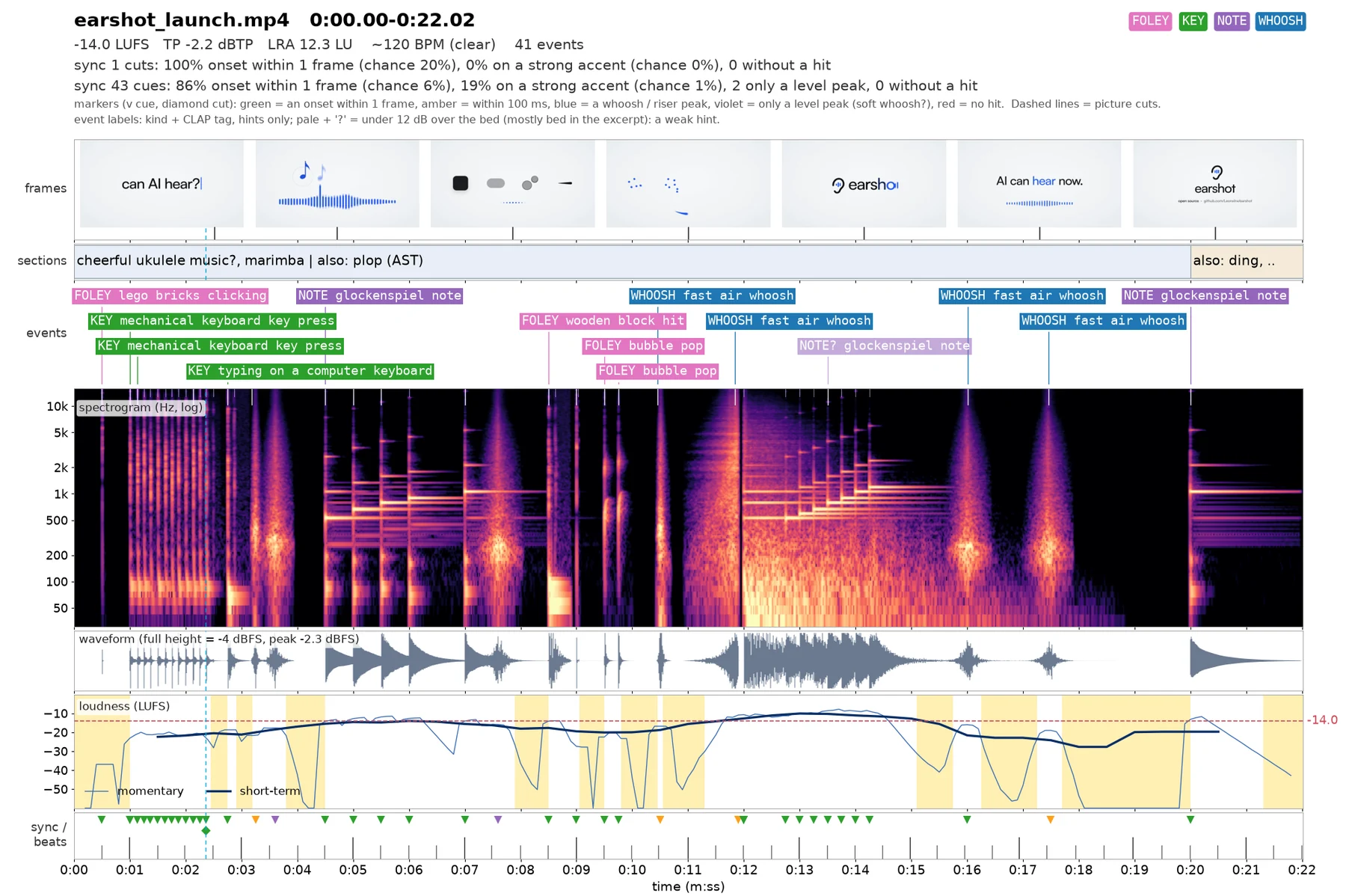
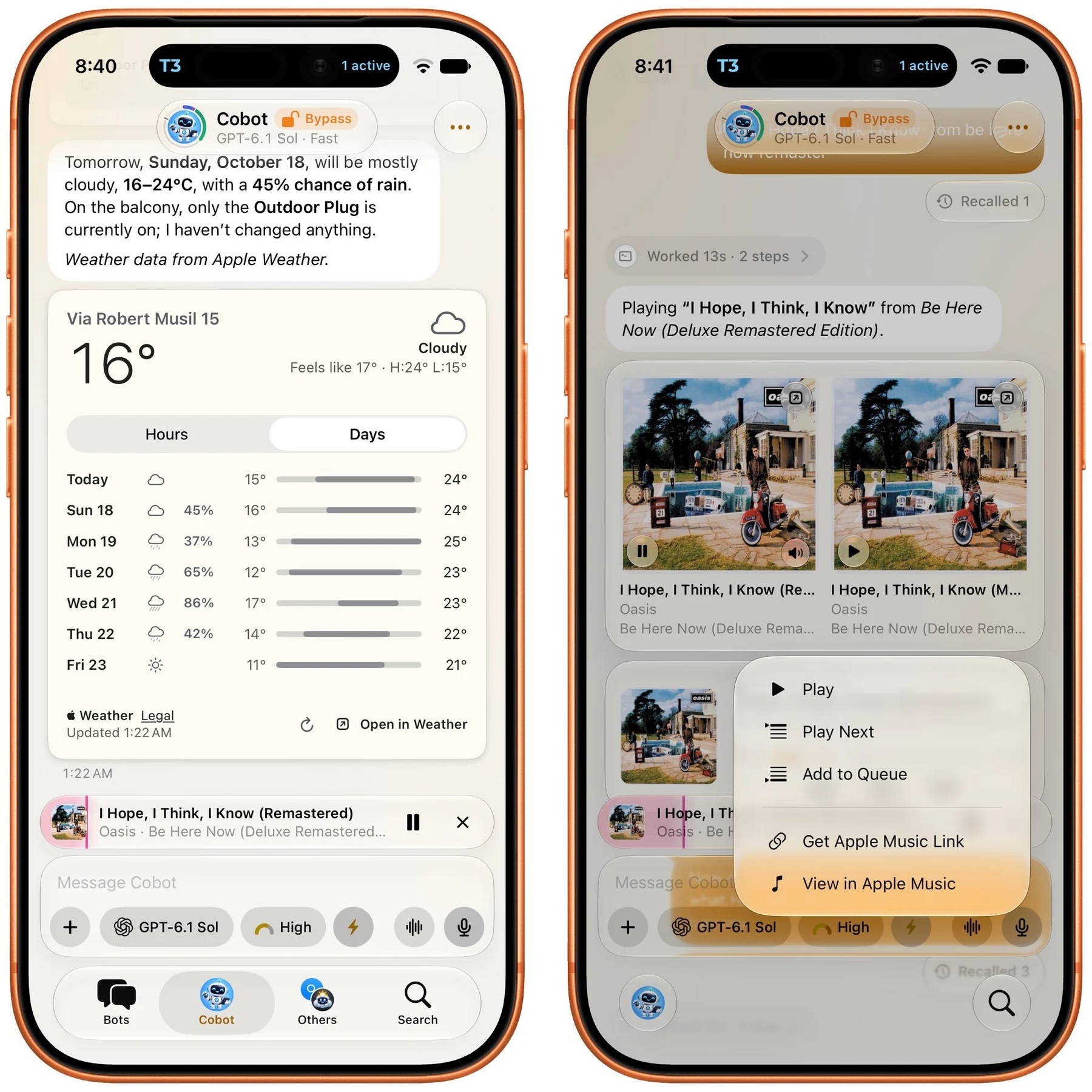
Original product imagery in 3:2 previews. Click to inspect the full image.

NATIVE ASSISTANT02

A community Pi Durable experiment connecting durable tasks to Swift and Apple frameworks.

Explore the post’s weather, music and voice interactions as examples of native integrations.

Not open source when saved; not an official general Pi client. Recovery was not independently tested.

Saved reading [09] ↗

LONG-TERM MEMORY04

Memory retrieval with dates and sources, emphasizing how changed facts replace old values.

Record two budget changes; check that the retrieved value and source change together.

Useful for probing freshness. A demo score is not your application’s accuracy.

Saved reading [11] ↗

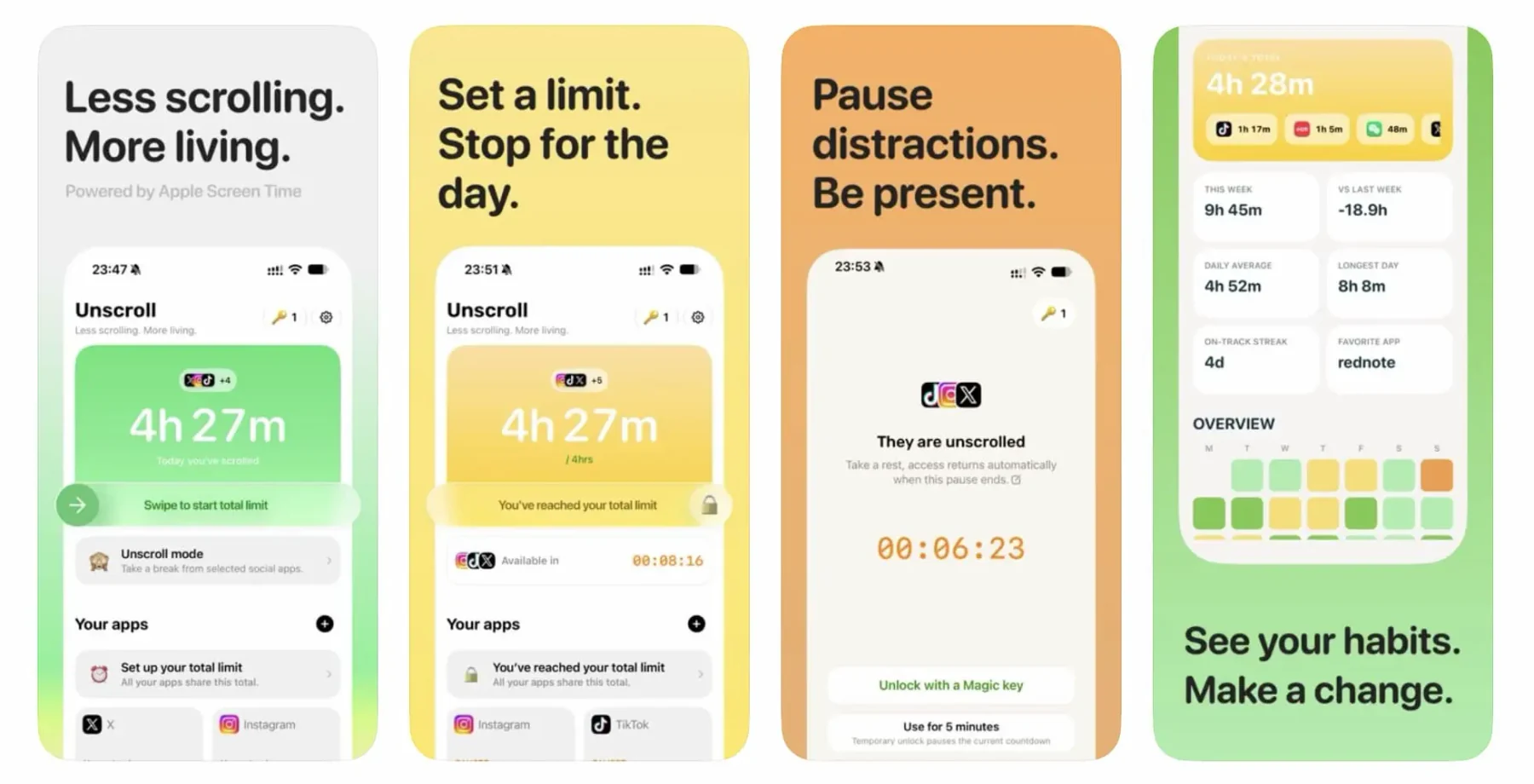
ATTENTION07

Uses app limits and deliberate blocking to interrupt habitual scrolling.

Set a boundary for one reflexively opened app and protect an uninterrupted stretch.

From DEX #368. An attention tool, not an AI product.

Saved reading [12] ↗

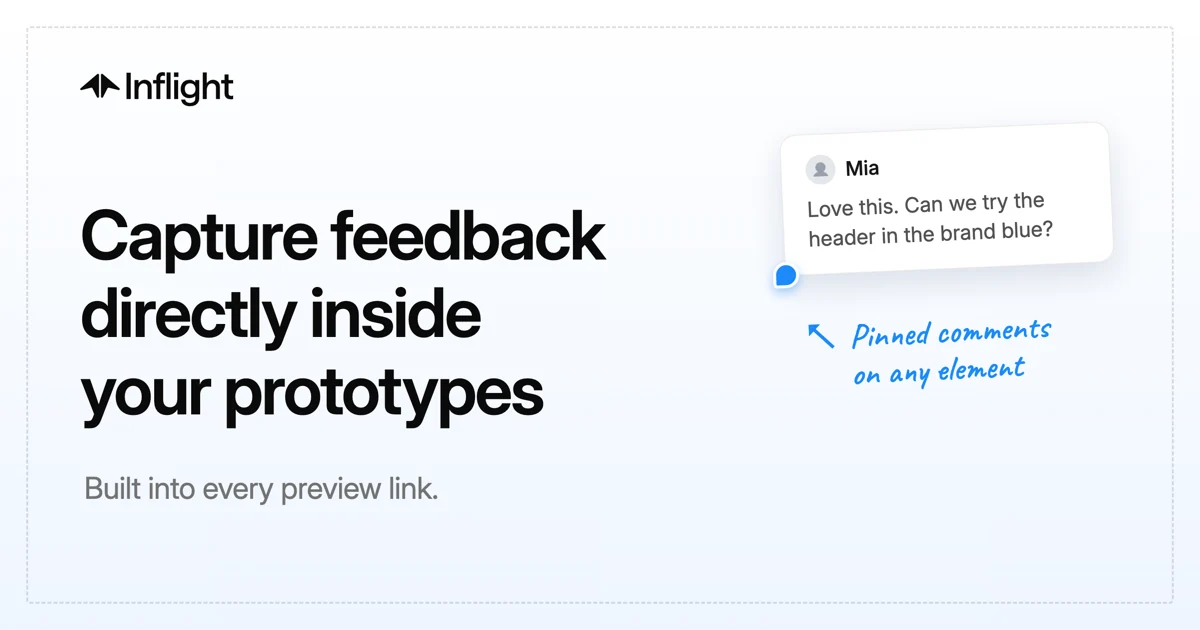
DESIGN FEEDBACK08

Pins comments to specific prototype elements and passes feedback into implementation.

Use a real revision round: does “here” become an exact element and a clear request?

A DEX product lead. Check who receives feedback before connecting Slack or agents.

Saved reading [12] ↗

Ten bots, ten concrete jobs

[17] ↗

kaito’s Japanese list, organized by job. These are community recommendations, not our test results; check each bot’s current access and behavior.

  1. dr eggbot ↗

    Narrow a job and design a bot

  2. Commitments ↗

    Find commitments and track them

  3. trimmy ↗

    Find stale and repeated instructions

  4. Stalk Bot ↗

    Watch competitor product changes

  5. Explainer Video bot ↗

    Turn researched material into video

  6. Bookmark Debt Collector ↗

    Turn bookmarks into read, act or delete

  7. AI Radar ↗

    Collect AI updates with original links

  8. Sentinel ↗

    Monitor vulnerability and security news

  9. Engineering Lead ↗

    Delegate development and track checks

  10. akapen bot ↗

    Review and annotate before creation

↑ Back to contents
04

Who gets the gains?

Entry-level work, public-benefit equity and personal agents.

WORK & INDUSTRY

After productivity rises, who gets a chance?

Time saved is only one account. Two others matter: how newcomers learn, and who shares the value technology creates.

Newcomers may need a different practice ground

APPSO’s account of work inside Anthropic was the other Sunday addition to issue 004, now within this issue’s regular period. It asks how deeper AI use changes junior roles and development. Material from one company cannot determine the hiring outlook of an entire industry. 02

The tension is nevertheless real: research, first drafts and simple implementations were both work to be done and opportunities to learn the business, encounter errors and receive feedback. Removing that practice while demanding senior judgment from newcomers creates a gap.

Training could expand from producing a first version to explaining its choices, finding omissions and validating it. Ask a newcomer to make a judgment before revealing the model’s result. Preserve their failed hypotheses for discussion with a mentor. AI can provide more practice cases instead of merely submitting the answer for them.

A public-benefit fund is about equity and distribution rules

Another headline turned Anthropic’s fund into a vast cash donation to ordinary people. The official announcement concerns equity: subject to shareholder approval, a 5% stake, with a mechanism for discretionary additions as company value increases. Direct distributions to specific populations are one possible use. It is not money already received by households or a published universal payout program. 08 Official announcement

07 / FROM COMMITMENT TO INCOME

Equity, a fund and spendable income are different steps
  1. 01Equity commitment

    5% · subject to shareholder approval

  2. 02Fund governance

    Uses, beneficiaries and timing

  3. 03Value reaches people

    Requires a concrete program and execution

The first is the announced commitment. The latter steps are questions for delivery, not completed actions.Announcement ↗

Its significance is the discussion of ownership of technological gains, beyond access to cheaper tools. But governance, realization of value, eligibility and accountability stand between an equity commitment and income someone can spend. Future company value does not cover a displaced worker’s present bills.

Follow who qualifies, who decides, when value becomes available and how results are disclosed. Such a fund cannot replace the immediate responsibilities of employers: retraining, entry points for learning and sharing automation’s gains more broadly than reduced headcount.

Beyond “Agent 1.0” and “2.0,” what makes a user stay?

Agent Universe interprets changes around QClaw and Yuanqi as a shift from platforms for building agents toward agents that directly perform work. Its “1.0 / 2.0” labels are an editorial frame, not a technical standard. This issue has not independently confirmed every shutdown date reported there. 14

The underlying business question is useful: does a person want a configuration console, or one recurring job reliably handled? Orchestration may be the product for a developer, while workflow maintenance is simply extra labor for another user.

A more assistant-like interface does not automatically deliver durable memory, recovery or inspectable results. Watch whether users can understand what happened, take their data with them and continue after failure. New category names arrive quickly; trust still grows through those details.

↑ Back to contents
05

Keep part of the journey

A Kindle project, product judgment and curiosity.

AFTER THE WORK

With the finish line closer, what is worth doing?

One writer finds joy in tinkering with AI; another feels adrift when creation becomes effortless. Both experiences can be real.

An old Kindle made making things enjoyable again

An APPSO writer used GPT-6 to turn an old Kindle into a connected photo frame. The interest lies less in how much code appeared than in a real e-ink screen providing feedback: image quality, ghosting, networking and device state all had to be observed and adjusted with the AI. 05

A landscape photograph displayed on a Kindle e-ink screen in APPSO’s article.

FEEDBACK FROM A REAL OBJECT

Working code is only the start of a good display.

Image quality, ghosting and refresh timing need a physical check.

Photo: APPSO; original aspect ratio [05] ↗

Small projects offer another way to use the technology. Choose the goal yourself, see the result nearby and let trial and error be enjoyable. The model lowers the threshold for entering an unfamiliar domain without deciding why the project matters or what a satisfying outcome looks like. Participation can mean observing, selecting and changing a physical object, not necessarily typing every line.

An easy finish can still feel empty

Kazik’s essay describes the other side. Building products and generating content became easier with AI, yet the old enjoyment faded. An experience of losing interest in a game after using cheats becomes a way of describing goals that remain while the journey feels hollow. The ending does not claim to solve that feeling; it returns to side paths still worth exploring. 15

This does not establish that using less AI makes people happier. Nor does “pick a bigger goal” settle it. Someone may value the finished work, the process of learning a craft, or both. Automation can expand the first satisfaction while inadvertently removing the second.

Removing an agent’s unnecessary burden and retaining a process you care about are compatible. Let AI collect material or locate an error while keeping observation, experimentation and final judgment. Or keep one project outside the accounting of efficiency, allowed to be slow and temporarily purposeless.

08 / WHAT TO KEEP

Delegate repetition. Keep the experience you value
DELEGATE
Repeated collection

Search, conversion, initial debugging and mechanical checks.

KEEP
Choice, experience & curiosity

Why it matters, how it feels and what invites another try.

An editorial reflection, not a research finding about happiness or mental health.[05][15]

Credentials cannot understand a customer for you

The saved Gravity newsletter ranges across France, comparisons of national systems and podcasts. Its reference to an article about former ByteDance employees starting companies offers the connection here: prestigious backgrounds and capital do not guarantee a product people want. 04

This echoes DEX #368’s concern that easier software creation does not necessarily improve collaboration, and the Linear product essay included in AIGC #193. Making things is becoming more accessible. Understanding specific people and making sustained choices still require someone to stay involved. 11 12

So the final invitation is modest: find something worth repeatedly observing and taking responsibility for. Give the machine the repetition it can handle, then ask whether that brought you closer to the thing you cared about. That is the space simplification can create.

↑ Back to contents
Every saved reading17 / 17

The period follows save dates in Singapore time: all 17 visible records from October 18–24. Readings 01 and 02 also appeared in issue 004’s Sunday addendum. Written from saved full-text copies and available primary research and announcements; community examples were not independently reproduced. Three newsletters have no public original URL; the AIGC #193 archive warns of possible source-side truncation.

  1. 01

    Beyond AI coding: the whole development workflow is changing

    腾讯技术工程(微信公众号)· danteyang · 2026-10-18 · Continued from 004

  2. 02

    What Anthropic’s internal work report means for new graduates

    APPSO(微信公众号) · 2026-10-18 · Continued from 004

  3. 03

    94% of likes on a top Hugging Face model came from recently created accounts

    尹John · AGI Hunt(微信公众号) · 2026-10-18

  4. 04

    Short update: What’s the Matter With France?

    地心引力(Newsletter · walnut@hedwig.pub) · 2026-10-18

    Saved reading ↗Saved newsletter · no public linkIn this issue ↗
  5. 05

    Modifying a Kindle with GPT-6 brought back the joy of tinkering

    APPSO(微信公众号) · 2026-10-19

  6. 06

    Five counterintuitive agent-coding principles from a chief architect

    林绮蓓、蔡芳芳 · InfoQ(微信公众号) · 2026-10-19

  7. 07

    TheoPhysEval: the reported 98% physics result

    Aeneas 大卫 · 新智元(微信公众号) · 2026-10-19

  8. 08

    Anthropic announces a public-benefit equity fund

    摩西 桃子 · 新智元(微信公众号) · 2026-10-19

  9. 09

    Apple Bots: a native Apple app built with Pi Durable

    小墨同学 (@xiaomovps) · 2026-10-19

  10. 10

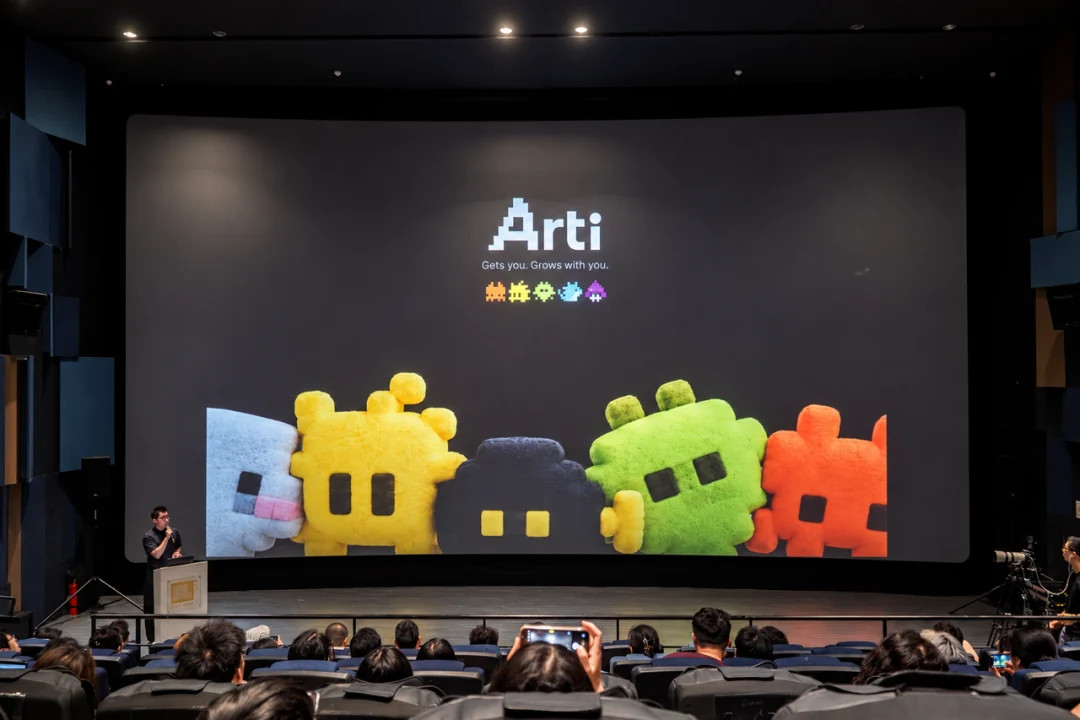
    Trying Lovart 2.0 and its personal design assistant Arti

    APPSO(微信公众号) · 2026-10-19

  11. 11

    AIGC Weekly #193

    歸藏 / AIGC Weekly · 2026-10-20

    Saved reading ↗Saved newsletter · no public linkIn this issue ↗
  12. 12

    DEX Weekly #368: Unscroll

    dingyi / DEX 周刊 · 2026-10-20

    Saved reading ↗Saved newsletter · no public linkIn this issue ↗
  13. 13

    800 lines of rules made the agent less obedient

    刘俊毅 / 腾讯云开发者 · 2026-10-21

  14. 14

    QClaw, Yuanqi and the shift toward personal agents

    宇宙编辑部 / 特工宇宙 · 2026-10-22

  15. 15

    A kind of nihilism in the age of AI

    数字生命卡兹克 · 2026-10-23

  16. 16

    Anthropic: when to fold subagents into the main loop

    Diane Sarkis / AGI Hunt · 2026-10-23

  17. 17

    Ten Grok Bots selected by kaito

    kaito (@cu30rry_) · 2026-10-24

KEEP THE DISCOVERIES COMING

A week of AI reading, sent to you.

Every Monday. The cover, theme guide and every reading, in English or Chinese. One email per issue.

Weekly RSS ↗

READ WITH A FRIEND

Share this issue

AI Trends Weekly 005 · Less weight. Better agents.

Save the cover and send it to a friend who reads with you.

Follow what matters

订阅 Airing

选择接收方式,再决定你真正想看的内容。

新一期编好后发送;周刊邮件中可切换语言或退订。